Description
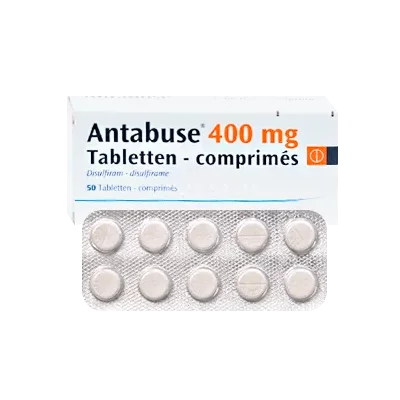
Antabuse is a disulfiram tablet used as part of treatment for alcohol dependence. The dose is stated on the pack — follow the leaflet. Disulfiram is an alcohol-sensitising medicine.
Composition
The dose of disulfiram is stated on the pack — follow the leaflet. Disulfiram is an alcohol-sensitising medicine, meaning it changes how the body processes alcohol rather than reducing intoxication or treating withdrawal symptoms.
The medicine is used after alcohol has cleared from the body. It works best when abstinence is a clear, agreed goal and when treatment includes counselling, behavioural support, or a supervised recovery programme.
Disulfiram does not remove cravings for everyone. Its main strength is creating a physical barrier against drinking, which can help people who respond well to a clear consequence.
Alcohol withdrawal and alcohol relapse are different problems. Antabuse is used to support abstinence after detoxification; it does not replace medical treatment for acute withdrawal symptoms such as tremor, seizures, hallucinations, or severe agitation.
Dosage and usage
Antabuse is taken by mouth as tablets. The dose is stated on the pack — follow the leaflet and use it only according to the prescribed regimen, which may be adjusted for treatment response, adverse effects, liver health, age, and concurrent medicines.
A clinician normally confirms that the person has not consumed alcohol for at least 12 hours before the first dose. Disulfiram’s enzyme-blocking effect can continue after the last tablet, so alcohol must also be avoided for up to 14 days after treatment stops [2].
Common administration principles include:
- Take the prescribed daily dose at the same time each day.
- Swallow the tablet with water; do not crush it unless a prescriber has specifically advised this.
- Morning dosing may suit people who want the medicine active through daytime routines.
- Evening dosing may be considered if daytime tiredness occurs.
- If a dose is missed, take it when remembered that day unless the next dose is due soon.
- Do not take two doses together to compensate for a missed tablet.
- Do not restart Antabuse after drinking alcohol without clinical advice.
People sometimes stop taking disulfiram before a social event and assume alcohol is immediately safe. The blocking effect can persist for nearly two weeks, so stopping tablets does not remove the alcohol-reaction risk overnight.
How it works
Alcohol is normally broken down in two stages. First, alcohol becomes acetaldehyde. Then an enzyme called aldehyde dehydrogenase converts acetaldehyde into acetate, which the body can process further.
Disulfiram blocks aldehyde dehydrogenase. If alcohol is consumed, acetaldehyde builds up rapidly and can trigger facial flushing, throbbing headache, nausea, vomiting, sweating, chest discomfort, palpitations, breathlessness, dizziness, and low blood pressure. Severe reactions can include collapse, abnormal heart rhythm, seizures, or myocardial infarction in vulnerable people [1].
The reaction is intentional, but it is not mild for every person. Antabuse is therefore a commitment medicine rather than a casual aid for cutting down.
Alcohol can be present in more places than drinks. Some cough mixtures, mouthwashes, sauces, desserts, fermented foods, aftershaves, and liquid medicines may contain alcohol and can provoke a reaction.
Indications
Antabuse is intended for adults who have chosen alcohol abstinence and can follow a structured treatment plan. Its active ingredient, disulfiram, creates an unpleasant reaction after alcohol exposure, helping reinforce the decision not to drink.
Comparison
Antabuse is one of several medicines used in alcohol-dependence treatment. The best option depends on the person’s drinking pattern, medical history, liver and kidney function, treatment goals, and ability to maintain abstinence.
Disulfiram is distinct because it does not primarily work by reducing the rewarding effect of alcohol. It creates a deterrent reaction. This can be useful for people who have predictable high-risk situations, such as weekends, business travel, or social gatherings.
Naltrexone may be preferred when reducing heavy drinking is the first goal. Acamprosate may be a better fit when abstinence has already been established and maintaining it is the priority. A 2014 meta-analysis indexed in PubMed found that supervised disulfiram treatment produced better outcomes than several comparison approaches, while unsupervised treatment showed less consistent benefit [3].
Contraindications
It is also not appropriate for people with:
- Current alcohol intoxication or recent alcohol exposure within the required abstinence period.
- Severe heart disease or coronary artery disease.
- A history of psychosis, unless a specialist has made a clear treatment decision.
- Allergy to disulfiram or thiuram-related chemicals.
- Treatment with metronidazole or paraldehyde.
- Severe liver disease without specialist assessment.
Extra caution is needed with epilepsy, diabetes, hypothyroidism, kidney disease, brain injury, liver impairment, and a history of severe depression. Pregnancy and breastfeeding require an individual medical assessment because safety data are limited.
Disulfiram can interact with several medicines. It may increase the effect of warfarin and raise bleeding risk. It can increase phenytoin concentrations and may affect the metabolism of diazepam, chlordiazepoxide, and some tricyclic antidepressants. Isoniazid combined with disulfiram has been associated with behavioural and coordination changes.
When this is not for you
Antabuse is not for you if you are unable to avoid alcohol completely, including alcohol-containing medicines and products.
Side effects
Some people tolerate Antabuse without major difficulty. Others find adverse effects limit treatment. Drowsiness, fatigue, headache, metallic or garlic-like taste, acne-like skin eruptions, reduced libido, and stomach upset may occur, especially early in treatment.
A metallic taste is a small detail that patients often mention during the first days. It can be annoying, yet it does not automatically mean the medicine must be stopped.
More serious adverse effects need prompt medical assessment:
- Yellowing of the skin or eyes, dark urine, persistent nausea, right-sided upper abdominal pain, or unusual tiredness may indicate liver injury.
- Tingling, burning, numbness, weakness, or poor balance may indicate peripheral neuropathy.
- Confusion, marked mood changes, hallucinations, or severe depression require urgent review.
- A reaction after alcohol exposure can become dangerous when chest pain, fainting, severe breathlessness, persistent vomiting, or confusion develops.
The FDA prescribing information describes hepatitis, including rare severe and fatal cases, as an important risk. Liver-function testing is commonly arranged before treatment and during early therapy, often around 10 to 14 days after initiation when clinically appropriate [1].
Do not dismiss dark urine as dehydration when it appears with fatigue, nausea, itching, or yellow eyes. Those symptoms need prompt medical assessment because disulfiram-related liver injury can develop after treatment has started.
Common mistakes
- Starting tablets too soon after alcohol use. Even a small amount of alcohol can trigger a severe reaction.
- Assuming alcohol only means beer, wine, or spirits. Alcohol-containing liquid medicines and personal-care products can matter.
- Skipping tablets before a planned drinking occasion. The reaction risk can remain after treatment is stopped.
- Taking an extra tablet after a missed dose. This does not improve protection and may increase adverse effects.
- Hiding liver symptoms because abstinence is going well. Dark urine, jaundice, and persistent nausea still need assessment.
- Treating Antabuse as a cure for cravings. It supports abstinence but does not automatically resolve stress, loneliness, insomnia, or drinking triggers.
A practical routine is to link the tablet to one stable daily action, such as brushing teeth or breakfast. Avoid linking it to a variable event such as the end of a work shift, which may be disrupted by travel or stress.
What doctors say
Physicians also look beyond the number of alcohol-free days. They assess sleep, mood, anxiety, liver symptoms, medication interactions, and situations that create relapse pressure. Alcohol dependence commonly coexists with depression, trauma, chronic pain, or anxiety, so a single tablet is rarely the whole treatment plan.
The World Health Organization recognises alcohol dependence as a health condition that benefits from combined medical, psychological, and social support rather than willpower alone [4].