
Verified
I used it with my anti-inflammatory tablets after a previous stomach ulcer. I had loose stools for the first three days, then it became manageable when I took every dose after food.
Sep 1, 2026

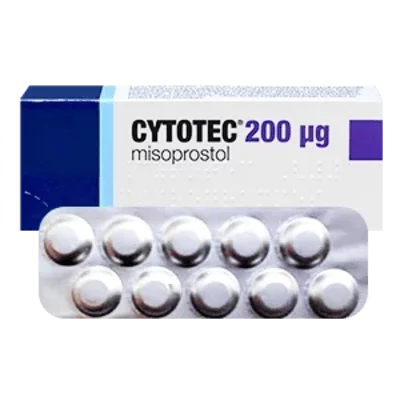
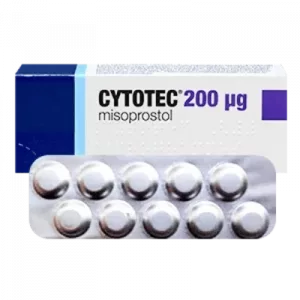
Cytotec is a misoprostol tablet used for gastrointestinal protection in people at risk of ulcers from non-steroidal anti-inflammatory drugs. It is intended for people using NSAIDs who need added stomach protection. Misoprostol replaces protective prostaglandin activity, reducing acid and supporting the stomach lining.
Cytotec contains misoprostol 200 micrograms per tablet. Misoprostol is a synthetic prostaglandin E1 analogue, meaning it acts like a natural substance involved in protecting the stomach lining, regulating intestinal activity, and causing uterine contractions.
Cytotec contains misoprostol 200 micrograms per tablet. Misoprostol is a synthetic prostaglandin E1 analogue, meaning it acts like a natural substance involved in protecting the stomach lining, regulating intestinal activity, and causing uterine contractions.
For gastric protection, Cytotec is used when medicines such as ibuprofen, diclofenac, naproxen, or similar anti-inflammatory drugs raise the risk of stomach or duodenal ulcers. The FDA prescribing information describes misoprostol as reducing the frequency of NSAID-induced gastric ulcers in higher-risk patients. [1]
Misoprostol has two clinically relevant actions:
The tablet is swallowed whole.
For prevention of NSAID-induced gastric ulcers, the FDA-approved adult regimen is 200 micrograms four times daily, taken with meals and at bedtime. A lower regimen of 100 micrograms four times daily may be used when the standard dose is not tolerated.
Use follows the NSAID treatment period. Cytotec is taken orally as a tablet.
For pregnancy-related care, Cytotec must only be used within a defined medical protocol. Misoprostol dosing for cervical preparation, miscarriage management, induction of labour, or abortion is not interchangeable with ulcer-prevention dosing.
Misoprostol works by binding to prostaglandin receptors. In the stomach, this lowers acid output and strengthens the mucus-bicarbonate barrier that shields the lining from acid and NSAID-related irritation.
This mechanism differs from proton-pump inhibitors, which block the final stage of acid secretion, and from H2-receptor blockers, which reduce acid through histamine signalling. Cytotec does not simply suppress acid. It also restores part of the stomach’s natural protective response that NSAIDs reduce.
The uterine effect is clinically significant. Misoprostol increases uterine tone and can cause cervical softening, bleeding, cramping, and pregnancy loss. The World Health Organization includes misoprostol in evidence-based protocols for specific reproductive-health indications, where the dose, route, timing, pregnancy duration, and follow-up are selected by trained clinicians. [2]
For gastric protection, Cytotec is used when medicines such as ibuprofen, diclofenac, naproxen, or similar anti-inflammatory drugs raise the risk of stomach or duodenal ulcers. The FDA prescribing information describes misoprostol as reducing the frequency of NSAID-induced gastric ulcers in higher-risk patients. [1]
For pregnancy-related care, Cytotec must only be used within a defined medical protocol. Misoprostol dosing for cervical preparation, miscarriage management, induction of labour, or abortion is not interchangeable with ulcer-prevention dosing.
Cytotec is one option for reducing NSAID-related upper gastrointestinal harm. The preferred approach depends on ulcer history, the NSAID dose, bleeding risk, other medicines, and whether prostaglandin-related side effects are acceptable.
| Option | Main mechanism | Practical limitation |
|---|---|---|
| Cytotec / misoprostol | Replaces prostaglandin activity and lowers gastric acid | Diarrhoea and abdominal cramping can limit use |
| Proton-pump inhibitor | Strong suppression of gastric acid secretion | Does not replace NSAID-reduced prostaglandin protection |
| H2-receptor blocker | Reduces histamine-driven acid secretion | May provide less protection against NSAID-related gastric ulcers at standard doses |
Clinical guidance from the American College of Gastroenterology identifies misoprostol and proton-pump inhibitors as prevention strategies for people at increased risk of NSAID-related ulcers. [3] The European Medicines Agency (EMA) and the National Institute for Health and Care Excellence (NICE) also publish relevant guidance on NSAID use and medicine safety.
Misoprostol can be a useful choice when prostaglandin replacement is clinically appropriate. Its main drawback is tolerability, since diarrhoea is more common than with many acid-suppressing options. Proton-pump inhibitors are often easier to tolerate, while Cytotec has a more direct prostaglandin-restoring effect.
Cytotec is not for you if you are pregnant and are not under a specific clinician-managed obstetric or gynaecological protocol. Do not use it if you have had an allergy to misoprostol or other prostaglandin medicines. Ask a prescriber for advice if diarrhoea or vomiting has left you severely dehydrated, if you have inflammatory bowel disease, or if you have severe cardiovascular disease. Tell your prescriber before using magnesium-containing antacids or oxytocic medicines.
Diarrhoea is the most common adverse effect of Cytotec. In FDA-reviewed clinical studies involving ulcer prevention, diarrhoea occurred in about 13% of people taking 200 micrograms four times daily. Abdominal pain occurred in about 7%, while nausea, flatulence, indigestion, vomiting, and constipation were less frequent.
Common effects include:
The gastrointestinal effects are often dose-related. Taking Cytotec with meals may make the first few days easier. Magnesium-containing antacids can add to the diarrhoea burden.
Serious symptoms require prompt medical attention. These include severe or persistent diarrhoea, signs of dehydration, fainting, severe pelvic pain, heavy vaginal bleeding, fever, or symptoms of an allergic reaction such as facial swelling, wheezing, or widespread rash.
The most avoidable Cytotec problems come from using the right tablet in the wrong context.
Cytotec does not cancel out the broader risks of NSAIDs. A person can still develop kidney problems, fluid retention, raised blood pressure, or cardiovascular complications from anti-inflammatory treatment.
In clinical practice, doctors usually separate Cytotec’s stomach-protection role from its uterine role very carefully. The same active ingredient has different effects depending on the clinical setting, so dose and treatment purpose must never be transferred from one indication to another.
For a person using an NSAID long term, a clinician weighs ulcer history, age, anticoagulant use, corticosteroid use, smoking status, alcohol intake, and previous gastrointestinal bleeding. Cytotec may be selected when prostaglandin replacement is desirable and diarrhoea is unlikely to be a major barrier.
Doctors also expect a clear early response in tolerability. Mild bowel changes can settle, but persistent diarrhoea that disrupts daily activities is a reason to adjust the regimen rather than simply endure it.
Cytotec contains misoprostol, a prostaglandin analogue used to reduce the risk of gastric ulcers caused by NSAID medicines. The FDA prescribing information from 2018 describes its approved role in preventing NSAID-induced gastric ulcers in people at higher risk. Misoprostol also has uterine effects, which is why it is used only within defined clinical protocols for pregnancy-related indications. The reason for treatment determines the appropriate regimen.
Misoprostol begins acting after oral absorption, and its acid-reducing and mucosal-protective effects are linked to regular dosing through the day. The American College of Gastroenterology guideline published in 2009 discusses gastroprotection as an ongoing strategy during NSAID exposure rather than a one-time treatment. Symptom relief is not a reliable measure of ulcer prevention because ulcers can develop with few warning signs. Taking doses consistently with meals supports the intended protective effect.
Yes, Cytotec is used specifically to reduce ulcer risk associated with NSAIDs, including medicines in the ibuprofen and naproxen class. The FDA’s 2018 prescribing information supports its use for NSAID-induced gastric-ulcer prevention. Cytotec does not remove NSAID risks affecting the kidneys, blood pressure, heart, or fluid balance. The NSAID itself should still be used at the lowest clinically appropriate dose for the shortest suitable period.
Misoprostol acts on prostaglandin receptors in the gastrointestinal tract, which can increase intestinal movement and fluid secretion. The FDA reported diarrhoea as the most frequent adverse effect in its 2018 Cytotec prescribing information. This effect often appears early, especially with higher daily doses. Food can improve tolerability, while magnesium-containing antacids may make diarrhoea worse.
Misoprostol can cause uterine contractions and cervical changes, so it can lead to miscarriage, premature labour, fetal harm, or uterine complications when used outside an appropriate protocol. The WHO Abortion care guideline from 2022 describes misoprostol use only within evidence-based regimens selected for the clinical situation. Cytotec for ulcer prevention is contraindicated in pregnancy because of these effects. Pregnancy-related use requires medical assessment, defined dosing, and access to follow-up care.
Take the missed dose when remembered if there is enough time before the next scheduled dose. If the next dose is near, skip the missed tablet and return to the normal schedule. Do not take two tablets together to compensate. FDA prescribing information from 2018 supports divided daily dosing for ulcer prevention, so doubling can increase side effects without restoring the intended schedule.
Your order will be securely packed and shipped within 24 hours. This is exactly what your package will look like (images of an actual item sent). It has the size and look of a regular private letter (9.4x4.3x0.3 in. or 24x11x0.7 cm) and its contents cannot be seen.
I used it with my anti-inflammatory tablets after a previous stomach ulcer. I had loose stools for the first three days, then it became manageable when I took every dose after food.
The schedule took planning because of the bedtime tablet. I set reminders for breakfast, lunch, dinner, and bedtime. My stomach burning improved, but I had mild cramps during the first week.
The higher schedule caused too much diarrhoea for me, so the dose was changed. The lower dose was easier, although I still avoided taking it before leaving home in the morning.
I stopped after several days because the diarrhoea made me feel dehydrated. It was not the right fit for me, and the treatment plan was changed.