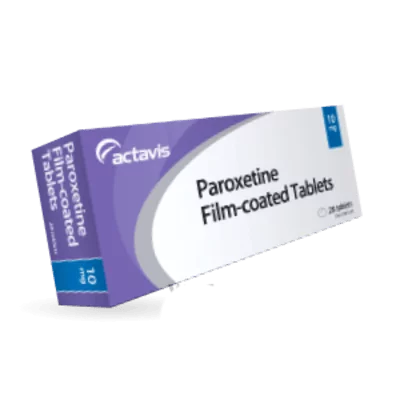
Description
Paroxetine contains the antidepressant active substance paroxetine and belongs to the SSRI class. SSRIs are used in depressive illness and anxiety disorders because serotonin helps regulate mood, fear processing, sleep, appetite, and emotional responses.
Composition
Paroxetine contains the antidepressant active substance paroxetine and belongs to the SSRI class. SSRIs are used in depressive illness and anxiety disorders because serotonin helps regulate mood, fear processing, sleep, appetite, and emotional responses.
Paroxetine may be prescribed for:
- Major depressive disorder
- Panic disorder, with or without agoraphobia
- Obsessive-compulsive disorder
- Social anxiety disorder
- Generalised anxiety disorder
- Post-traumatic stress disorder
- Premenstrual dysphoric disorder in some treatment plans
Paroxetine is not a sedative. It does not provide an immediate calming effect after the first pill, and it is not intended for occasional use during a stressful event.
Paroxetine works best when taken consistently. Irregular use can cause dizziness, irritability, nausea, electric-shock sensations, or a sudden return of anxiety symptoms.
Dosage and usage
Take Paroxetine by mouth once daily at the prescribed dose. It can be taken with food if nausea occurs. Choose a consistent time that fits your routine, since missed doses are a frequent reason for unstable symptom control.
Many people take it in the morning. If it causes drowsiness, a prescriber may prefer evening dosing. Do not change the timing repeatedly from day to day.
- Swallow the film-coated pill whole with water.
- Take it at the same time each day.
- Do not double the next dose after a missed dose.
- If a dose is missed, take it when remembered unless the next planned dose is close.
- Continue treatment for the planned course, even when symptoms improve.
- Do not stop suddenly after regular use.
Paroxetine is usually started cautiously and adjusted according to symptom response and tolerability. FDA guidance emphasises gradual dose reduction rather than abrupt discontinuation because paroxetine has a relatively short half-life and can cause discontinuation symptoms. [2]
Keep a simple note of sleep, nausea, anxiety, and sexual side effects during the first month. This gives the prescriber clearer information than trying to recall several weeks from memory.
How it works
Serotonin is a chemical messenger released between nerve cells. After serotonin sends its message, a transporter protein normally carries part of it back into the nerve cell. Paroxetine blocks this transporter, leaving more serotonin available in the synapse.
This gradual change affects brain circuits involved in mood, threat detection, compulsive thinking, and panic responses.
Paroxetine is considered one of the more potent serotonin reuptake inhibitors. It also has mild anticholinergic activity, which helps explain why dry mouth, constipation, sweating, and drowsiness can occur in some people. FDA prescribing information describes paroxetine as an SSRI with clinically relevant withdrawal symptoms when treatment is stopped abruptly. [1]
A useful early marker is not sudden happiness. Patients often first notice that distressing thoughts feel less sticky or that panic symptoms pass more quickly.
Indications
Paroxetine may be prescribed for:
- Major depressive disorder
- Panic disorder, with or without agoraphobia
- Obsessive-compulsive disorder
- Social anxiety disorder
- Generalised anxiety disorder
- Post-traumatic stress disorder
- Premenstrual dysphoric disorder in some treatment plans
Comparison
Paroxetine is one SSRI option. The best choice depends on the condition being treated, previous antidepressant response, sleep pattern, sexual side effects, other medicines, and pregnancy plans.
Paroxetine can be useful when anxiety, panic, intrusive thoughts, or social fear are central symptoms. Its main limitation is that stopping it too quickly can feel unpleasant. Fluoxetine remains in the body longer, while sertraline is often chosen when clinicians want greater flexibility around daytime alertness.
EMA and WHO guidance describe SSRIs as established treatments for depressive and anxiety disorders, while stressing that medicine selection should reflect the individual diagnosis and potential interaction profile. [3]
Contraindications
Paroxetine is not for you if you use a monoamine oxidase inhibitor, known as an MAOI, or have used one within the required washout period. Combining these medicines can dangerously raise serotonin levels.
Do not use Paroxetine with thioridazine or pimozide. The combination can increase the risk of serious heart-rhythm problems.
Extra caution is needed with:
- Bipolar disorder or past episodes of mania or hypomania
- Epilepsy or a history of seizures
- Glaucoma with narrow angles
- Significant liver or kidney impairment
- A history of abnormal bleeding
- Low blood sodium, especially in older adults
- Pregnancy planning, pregnancy, or breastfeeding
- Severe suicidal thoughts or self-harm risk
Paroxetine inhibits the liver enzyme CYP2D6. This can affect medicines processed through this pathway, including tamoxifen, some beta-blockers, some antipsychotics, and certain antiarrhythmics. It can also increase bleeding risk when combined with warfarin, aspirin, clopidogrel, or anti-inflammatory pain medicines such as ibuprofen.
Alcohol may worsen drowsiness, poor concentration, or low mood. Recreational substances that affect serotonin also increase the risk of dangerous reactions.
Pregnancy needs individual assessment. The American College of Obstetricians and Gynecologists addressed SSRI treatment in pregnancy in its 2023 clinical guideline, with medicine choice based on psychiatric history, symptom severity, and maternal-fetal considerations. [5]
When this is not for you
Talk to a prescriber before using Paroxetine if you take MAOIs, thioridazine, or pimozide. You also need medical advice if you have bipolar disorder, seizures, narrow-angle glaucoma, liver or kidney problems, bleeding problems, low sodium, pregnancy or breastfeeding plans, or severe suicidal thoughts. Tell the prescriber about all medicines, alcohol use, and recreational substances.
Side effects
Nausea is common during the first days or weeks. Other frequent effects include dry mouth, sweating, tiredness, sleep changes, headache, constipation or diarrhoea, tremor, reduced appetite, and sexual difficulties.
Sexual side effects deserve a direct discussion. Paroxetine can reduce libido, delay orgasm, and cause erectile or ejaculation difficulties. These effects may improve after adjustment, though they can persist while treatment continues.
Weight change can occur over time. Some patients notice increased appetite after mood and sleep improve, while others experience early nausea and reduced food intake.
Seek urgent medical attention for symptoms of serotonin syndrome, such as fever, severe agitation, confusion, muscle rigidity, diarrhoea, sweating, or a fast heartbeat. This reaction is uncommon but can occur when several serotonin-raising medicines are combined.
Young adults may experience worsening agitation, restlessness, or suicidal thoughts early in antidepressant treatment or after a dose change. This requires prompt clinical review. The FDA label records nausea, somnolence, sweating, sexual dysfunction, and weakness among commonly reported adverse effects in clinical trials. [4]
Nausea often settles when the pill is taken with breakfast or a small evening meal. Skipping food to avoid nausea can make the sensation worse for some people.
Common mistakes
Several preventable habits make Paroxetine harder to tolerate or less helpful.
- Stopping after a few days because nausea or fatigue appeared before benefits did
- Taking pills on random days rather than daily
- Doubling a dose after forgetting one
- Combining it with herbal mood products without checking interaction risks
- Assuming sexual side effects must be silently tolerated
- Stopping suddenly once mood improves
- Using alcohol to manage early anxiety or insomnia
- Failing to mention migraine medicines, tramadol, cough medicines containing dextromethorphan, or blood thinners
One common mistake is judging the medicine after one week. Depression and anxiety symptoms often change more slowly than early side effects.
If sweating becomes disruptive, use light bedding and breathable clothing before assuming the medicine has failed. Night sweats can be uncomfortable, yet they often reduce after the adjustment period.
What doctors say
In clinical practice, doctors usually explain that Paroxetine is a gradual treatment rather than a quick fix for a difficult week. Anxiety may fluctuate before it improves, and early side effects are more likely to settle than to remain permanent.
A prescriber will often review sleep, panic frequency, appetite, sexual function, and ability to work or study. These details are more useful than asking whether the medicine feels strong. A person with panic disorder may need several weeks before they stop avoiding feared situations, even if physical panic symptoms begin to ease earlier.
Doctors also pay close attention to stopping plans. Paroxetine is one of the antidepressants where a slow reduction can make a major difference to comfort.