Description
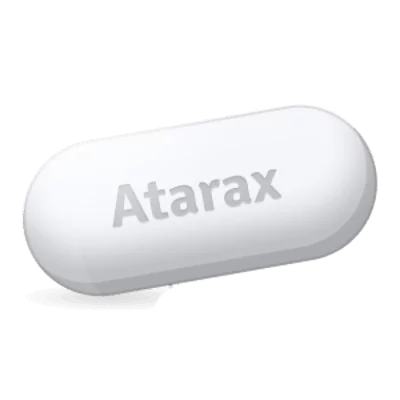
Atarax is a tablet containing hydroxyzine, a first-generation antihistamine with sedating and anti-anxiety effects. It is used for adults who need short-term relief from itching caused by allergic conditions or symptoms of anxiety. Hydroxyzine blocks histamine receptors in the body and also reduces activity in parts of the brain linked with alertness and tension.
Composition
Atarax contains hydroxyzine, an H1-antihistamine. Unlike newer non-drowsy antihistamines, hydroxyzine readily enters the brain, which explains both its calming effect and its tendency to cause sleepiness.
Hydroxyzine may be used for allergic itching, urticaria, anxiety-related tension, and sedation when clinically appropriate. The tablet is intended for oral use.
Drowsiness can begin after the first dose. Plan the first dose for a time when driving, work at heights, or making safety-critical decisions is not required.
The European Medicines Agency reviewed hydroxyzine cardiac safety in 2015 and introduced measures intended to reduce the risk of heart-rhythm disturbances in susceptible people [1].
Dosage and usage
Take Atarax exactly at the prescribed dose and schedule. Swallow the tablet whole with water. It may be taken with food if nausea or stomach discomfort occurs.
A practical routine includes:
- take the prescribed tablet dose at the same time each day when regular use has been advised;
- use an evening schedule if drowsiness is expected and this fits the treatment plan;
- avoid alcohol, since alcohol can intensify sedation and impair coordination;
- do not take an extra tablet to compensate for a missed dose;
- if a dose is missed, take it when remembered unless the next planned dose is close, then continue the regular schedule.
Hydroxyzine is often used for limited periods or on an as-needed basis, depending on the reason for treatment. The prescriber determines the duration because prolonged use can expose a person to ongoing sedation, anticholinergic effects, and avoidable interaction risks.
A tablet taken late in the evening may still affect reaction time the following morning. People who wake early for work often notice this before they notice any dry mouth.
Do not crush tablets unless a prescriber has specifically advised it. A crushed tablet can be unpleasant to swallow and makes it easier to take an inaccurate partial dose.
How it works
Histamine is a chemical messenger involved in itching, redness, swelling, sneezing, and watery eyes. Hydroxyzine blocks H1 receptors, so histamine cannot trigger these symptoms as strongly.
Its action in the central nervous system is clinically relevant. By reducing histamine signalling in the brain, Atarax can produce sedation and lessen physical symptoms of anxiety such as restlessness or difficulty settling down. This is why it may be useful when itching interferes with sleep, or when anxiety is accompanied by marked tension.
Atarax does not work like an SSRI antidepressant. SSRIs alter serotonin signalling and usually require weeks to show a meaningful effect. Hydroxyzine works sooner, yet it is not designed to treat the underlying long-term pattern of depression or chronic anxiety disorder.
Sedation helps some people. It limits daytime function for others.
Indications
Atarax is used in adults for short-term relief of itching caused by allergic conditions or for symptoms of anxiety. Its hydroxyzine content blocks histamine receptors and reduces activity linked with alertness and tension. Use it only at the prescribed dose and schedule.
Comparison
Atarax suits situations where itch relief or short-term calming is needed and sedation is acceptable. A non-sedating antihistamine may fit daytime allergy symptoms better, while long-term anxiety management usually relies on psychological therapy or medicines selected for sustained treatment.
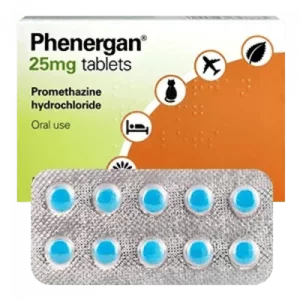
Cetirizine is related to hydroxyzine and is formed from hydroxyzine in the body. It generally causes less sedation, though some people still feel sleepy. SSRIs do not provide the rapid sedative effect that hydroxyzine can produce, and they also have different adverse-effect patterns.
NICE guidance for generalised anxiety disorder places long-term psychological and antidepressant-based strategies ahead of routine sedating antihistamine use for persistent anxiety symptoms [2].
Contraindications
This medication is not for you if you have a known allergy to hydroxyzine, cetirizine, aminophylline, ethylenediamine, or related substances.
Atarax should also be avoided or used only under direct prescriber guidance in the following situations:
- a known prolonged QT interval, previous torsades de pointes, or a significant heart-rhythm disorder;
- a slow resting heartbeat, low potassium, or low magnesium;
- current use of medicines that can prolong the QT interval;
- severe difficulty passing urine, untreated narrow-angle glaucoma, or marked constipation;
- severe liver or kidney impairment where dose selection needs individual adjustment;
- pregnancy, especially early pregnancy, unless a clinician has made a clear risk-benefit decision;
- breastfeeding, because hydroxyzine may pass into milk and may sedate the infant.
Medicines that can add to drowsiness include opioid pain medicines, benzodiazepines, sleeping tablets, sedating antipsychotics, some anti-nausea medicines, and alcohol. Combining these can impair breathing, coordination, and judgement.
Anticholinergic medicines can intensify dry mouth, constipation, blurred vision, and urinary retention. Drugs that alter heart rhythm need special attention, including certain antiarrhythmics, macrolide antibiotics, antifungals, antipsychotics, and antidepressants.
Tell the prescriber about fainting episodes, palpitations, and every medicine used for sleep, nausea, mood, infection, or pain. The interaction that matters is often not the medicine taken for
allergies.
The WHO advises that medication-related harm often arises from interactions, duplicate treatment, and unclear medicine lists. Keeping one accurate list of prescribed and non-prescribed products reduces this risk [4].
When this is not for you
Atarax may not be suitable if you have heart-rhythm problems, a slow heartbeat, low potassium or magnesium, or take medicines that affect the QT interval. Extra caution is needed if you have trouble passing urine, glaucoma, severe constipation, liver or kidney problems, or are pregnant or breastfeeding. Alcohol and other medicines that make you sleepy can make breathing, coordination, and judgement less safe.
Side effects
Sleepiness is the side effect people report most often. Dry mouth, fatigue, dizziness, headache, blurred vision, constipation, and difficulty concentrating can also occur. These effects are linked to hydroxyzine’s antihistamine and anticholinergic activity.
Older adults may be more sensitive to confusion, unsteadiness, urinary retention, and falls. A person who already has dry eyes, constipation, or prostate-related difficulty passing urine may find these effects more troublesome.
Sugar-free gum, frequent sips of water, and a bedside water bottle can make dry mouth more manageable. Persistent dry mouth also increases the risk of dental discomfort, so it should not be ignored.
Stop taking Atarax and seek urgent medical help for fainting, a fast or irregular heartbeat, severe dizziness, swelling of the lips or tongue, wheezing, or a widespread blistering rash. These reactions are uncommon, yet they need prompt assessment.
Hydroxyzine has been linked with QT prolongation, an electrical change in the heart that can rarely trigger a dangerous rhythm called torsades de pointes. The risk is concentrated in people with existing cardiac risk factors or those using interacting medicines [3].
Common mistakes
Several avoidable mistakes reduce the usefulness of Atarax or increase adverse effects:
- taking it with alcohol to increase relaxation or sleepiness;
- using it before driving because the person assumes allergy tablets are always non-drowsy;
- adding another sedating allergy medicine without checking the active ingredients;
- taking a missed dose close to the next dose and accidentally doubling exposure;
- treating persistent palpitations, faintness, or severe dizziness as ordinary tiredness;
- continuing daily use for ongoing anxiety without reassessment when symptoms are not improving.
One frequent misunderstanding is that a calm feeling proves the dose is right. Excessive daytime sleepiness, slowed thinking, or poor balance can mean the sedative burden is too high.
If Atarax is being used for itching, keep a brief note of the trigger, timing, skin appearance, and response to treatment. This can help distinguish recurring urticaria from an irritant or medication-related reaction.
What doctors say
In clinical practice, doctors often choose hydroxyzine when symptoms need relief without beginning a long-term psychiatric medicine immediately. It can be useful for a short period when anxiety is causing visible agitation or poor sleep, and it can help when allergy-related itch is disrupting rest.
A useful clinical distinction is between feeling sedated and feeling genuinely better. Sedation may arrive quickly, while recovery from an anxiety disorder requires a broader plan.