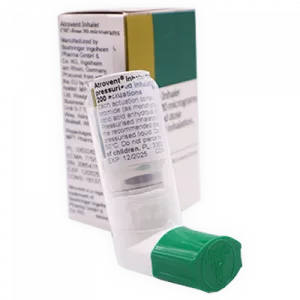
Description
Dramamine tablets contain dimenhydrinate, an antihistamine with antiemetic activity. Dimenhydrinate is closely related to diphenhydramine and works mainly by blocking histamine H1 receptors and muscarinic receptors involved in the vomiting reflex.
Composition
Dramamine tablets contain dimenhydrinate, an antihistamine with antiemetic activity. Dimenhydrinate is closely related to diphenhydramine and works mainly by blocking histamine H1 receptors and muscarinic receptors involved in the vomiting reflex. FDA-labelled dimenhydrinate products are used to prevent and treat motion sickness symptoms such as nausea, vomiting, and dizziness [1].
Dramamine is most useful when symptoms are linked to movement: car travel, boat trips, flights, amusement rides, or winding roads. It does not treat food poisoning, migraine, gastroenteritis, pregnancy-related nausea, or persistent unexplained vomiting.
Common benefits include:
- Prevention of travel-related nausea before it begins.
- Relief of dizziness and queasiness caused by movement.
- Oral tablet form that can be taken before a journey.
- Effects that usually start within 30 to 60 minutes.
Drowsiness is the main trade-off. It can be helpful for a passenger trying to rest, yet it is a poor fit for anyone who needs to drive, supervise children alone, operate machinery, or stay mentally sharp.
Take Dramamine before travel begins. Once vomiting has started, an oral tablet may be harder to keep down and may feel slower to help.
Dosage and usage
The dose is stated on the pack — follow the leaflet.
Use Dramamine tablets as follows:
- Take the planned dose 30 to 60 minutes before travel.
- Swallow the tablet with water.
- Repeat only if needed, keeping within the daily maximum.
- Avoid alcohol from the first dose until the medicine has worn off.
- Do not take an extra tablet simply because travel is longer than expected; count the hours and total daily amount.
If a planned preventive dose is missed, take it when remembered before travel if there is enough time for it to work. Do not double the next dose.
A common mistake is taking a second sedating allergy medicine on the same day. Diphenhydramine, promethazine, doxylamine, some sleep aids, and certain cough-and-cold products can compound drowsiness, blurred vision, dry mouth, and poor coordination.
If you are prone to motion sickness, test your response on a day without driving obligations. Some people feel mildly sleepy, while others feel too slowed down for tasks requiring quick reactions.
How it works
Motion sickness begins when the brain receives mismatched movement information from the inner ear, eyes, and body. The vestibular system in the inner ear may sense acceleration while the visual field appears stable, such as when reading in a moving vehicle. This sensory conflict activates brain pathways linked to nausea, sweating, pallor, dizziness, and vomiting.
Dimenhydrinate dampens parts of that signal. Its H1-antihistamine effect reduces vestibular stimulation, while its antimuscarinic activity helps suppress communication within the vomiting centre of the brain. The World Health Organization includes antihistamines among medicines used for motion sickness prevention because they can reduce nausea when taken before exposure to motion [2].
The medicine does not remove the physical cause of travel movement. It lowers the body’s response to it.
A practical detail matters here: screen use, reading, and looking down at a phone can intensify the eye–ear mismatch. Sitting where movement is least pronounced and looking toward a stable point in the distance can make the tablet’s effect feel more reliable.
On a boat, fresh air and a position near the centre of the vessel usually reduce motion exposure. On a road journey, the front passenger seat may be easier to tolerate than the rear seat.
Indications
Dramamine is most useful when symptoms are linked to movement: car travel, boat trips, flights, amusement rides, or winding roads. FDA-labelled dimenhydrinate products are used to prevent and treat motion sickness symptoms such as nausea, vomiting, and dizziness [1].
Comparison
Dramamine is one option among several approaches for travel-related nausea. The best choice depends on journey length, need for alertness, medical history, and the pattern of symptoms.
Dimenhydrinate is often chosen when a person wants a medicine that can be taken before a single journey and repeated during the day if necessary. Meclizine can last longer, though its onset may feel less flexible for an unplanned trip. Scopolamine can be useful for longer travel, such as sea journeys, though it is not suitable for everyone and may cause stronger anticholinergic effects.
Non-drug measures still matter. Facing forward, avoiding heavy meals before travel, limiting alcohol, and taking visual breaks can reduce symptoms. Ginger may feel soothing for some people, yet it should not be relied on as a substitute for an antiemetic when previous journeys have caused vomiting.
Contraindications
Dramamine is not for you if you have had an allergic reaction to dimenhydrinate, diphenhydramine, or another ingredient in the tablet.
Avoid self-treatment with Dramamine, or seek individual medical guidance first, in the following situations:
- Narrow-angle glaucoma.
- Difficulty urinating due to an enlarged prostate or bladder-neck obstruction.
- Severe asthma or chronic breathing disease with thick secretions.
- Stomach or intestinal blockage.
- Seizure disorders.
- Severe liver disease.
- Current treatment with a monoamine oxidase inhibitor, also called an MAOI.
- Pregnancy or breastfeeding, where the medicine choice should be individualised.
Alcohol, opioid pain medicines, benzodiazepines, sedative antidepressants, antipsychotics, and sleep medicines can intensify sedation. Combining dimenhydrinate with other anticholinergic medicines may increase constipation, dry mouth, blurred vision, overheating, and urinary problems.
The 2019 FDA Drug Facts label warns that dimenhydrinate can impair alertness, especially when combined with other sedating medicines .
When this is not for you
Dramamine may not be a suitable choice if you need to drive, operate machinery, supervise children alone, or remain fully alert. Ask a clinician before using it if you have glaucoma, breathing problems, trouble urinating, seizures, liver disease, or are pregnant or breastfeeding. Do not combine it with alcohol or other medicines that make you sleepy without individual medical advice.
Side effects
Sleepiness is the most common effect of Dramamine. Dry mouth, blurred vision, constipation, difficulty passing urine, headache, and reduced concentration can also occur. These effects reflect the medicine’s antihistamine and anticholinergic actions.
Some people feel slightly restless rather than sleepy. This is seen more often in children, who may become unusually excitable, irritable, or restless after an antihistamine. Older adults can be more sensitive to confusion, dizziness on standing, constipation, and urinary retention.
Seek urgent medical assessment for facial swelling, wheezing, a widespread rash, fainting, seizures, severe confusion, or a fast irregular heartbeat. Persistent vomiting with severe headache, chest pain, high fever, blood in vomit, dehydration, or one-sided weakness needs medical assessment because these symptoms are not typical simple motion sickness.
Dry mouth can be surprisingly bothersome on a flight. Small sips of water and sugar-free gum may help, while alcohol-based mouth rinses can make dryness feel worse.
Drowsiness may last longer than the journey. Avoid driving, cycling in traffic, swimming alone, or using machinery until you know how the tablets affect you.
Common mistakes
Several mistakes make Dramamine less helpful or less tolerable:
- Taking it only after symptoms have become severe.
- Combining it with alcohol during travel.
- Using it alongside a night-time cold medicine containing another sedating antihistamine.
- Giving an adult-strength amount to a child without using age-appropriate dosing.
- Reading, gaming, or scrolling continuously in a moving vehicle.
- Assuming that all dizziness is motion sickness.
- Taking repeated doses without tracking the 24-hour total.
One small but useful habit is to write down the dose time in a phone note before a long journey. When travel is tiring, people often remember that they took a tablet but cannot remember when.
If motion sickness is predictable on family trips, prepare water, a light snack, and a disposal bag before departure. Trying to organise these items after nausea starts can make symptoms worse.
What doctors say
In clinical practice, doctors tend to distinguish predictable travel sickness from nausea that appears without a movement trigger. Dramamine fits the first pattern: symptoms that reliably occur in cars, boats, aircraft, or rides. Recurrent nausea at home, morning vomiting, dizziness with hearing loss, or vomiting after head injury needs a different assessment.
A clinician will also ask about daily tasks. The medicine may be reasonable for a passenger on a short journey, but less suitable for a professional driver, a person working at height, or someone already taking sedating treatment. The desired effect is reduced nausea, not heavy sedation.
Doctors also see preventable dosing errors. People sometimes take dimenhydrinate after several hours of escalating nausea, then repeat it too soon because they expect instant relief. Giving the first dose before motion exposure usually produces a better result.