Description
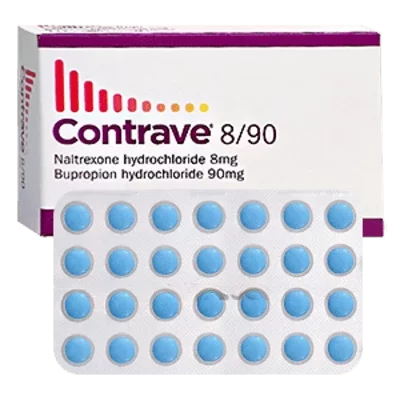
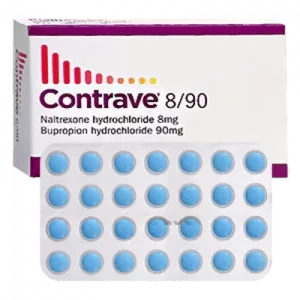
Contrave is a tablet medicine containing naltrexone hydrochloride and bupropion hydrochloride. The dose is stated on the pack — follow the leaflet. It is a modified-release weight-management medicine, meaning the ingredients are released gradually rather than all at once.
Composition
Contrave combines two active substances in one tablet: naltrexone hydrochloride and bupropion hydrochloride. The dose is stated on the pack — follow the leaflet. It is a modified-release weight-management medicine, meaning the ingredients are released gradually rather than all at once.
- Naltrexone is an opioid-receptor antagonist. It modifies signalling linked with food reward and craving.
- Bupropion affects noradrenaline and dopamine activity in the brain. These neurotransmitters influence appetite regulation, motivation, and reward-driven eating.
- Combined action helps reduce persistent hunger and the urge to eat in response to stress, habit, or highly rewarding foods.
Contrave is intended for adults with obesity, or adults who are overweight and have weight-related health concerns such as high blood pressure, type 2 diabetes, or abnormal blood lipids. The FDA prescribing information describes its role as an addition to nutrition and activity measures, rather than a replacement for them [1].
Contrave tablets should be swallowed whole. Crushing, splitting, or chewing modified-release tablets can release the dose too quickly and may raise the risk of adverse effects.
How it works
Contrave works on two connected brain systems: the hypothalamus, which helps regulate hunger and energy balance, and the mesolimbic reward pathway, which influences cravings and the pleasure associated with food.
Bupropion stimulates pro-opiomelanocortin neurons, often shortened to POMC neurons. These cells send appetite-regulating signals. Naltrexone blocks feedback at opioid receptors that can otherwise reduce that signalling. Together, the medicines may help sustain appetite control.
This approach can be useful when hunger feels persistent or when eating is strongly linked to cravings rather than physical need alone. Clinical trials in the COR programme found that adults using naltrexone/bupropion alongside lifestyle support achieved greater average weight loss than participants receiving lifestyle support with placebo [2]. Results varied between individuals. Some people notice reduced appetite within several weeks, while others mainly notice fewer urges to snack or overeat.
A lower appetite is not always obvious at first. Some patients first notice that they can stop eating more easily once they feel full, rather than feeling dramatically less hungry.
Indications
Contrave is intended for adults with obesity, or adults who are overweight and have weight-related health concerns such as high blood pressure, type 2 diabetes, or abnormal blood lipids. The FDA prescribing information describes its role as an addition to nutrition and activity measures, rather than a replacement for them [1].
Comparison
Contrave has a central appetite-and-craving mechanism. Other treatments target digestion, glucose regulation, or gut hormones instead.
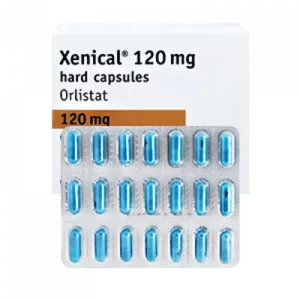
GLP-1 receptor agonists can produce larger average weight reductions in many studies, though they are not appropriate for every person and require a different treatment approach. Orlistat acts outside the brain, so it does not target cravings directly.
Contraindications
- use opioid pain medicines, opioid cough treatments, or opioid substitution therapy;
- are undergoing acute opioid withdrawal;
- have abruptly stopped alcohol, benzodiazepines, barbiturates, or anti-seizure medicines;
- take another medicine containing bupropion;
- take a monoamine oxidase inhibitor, known as an MAOI, or stopped one within the previous 14 days;
- have severe liver impairment;
- are pregnant or breastfeeding.
Naltrexone blocks opioid receptors. Opioid pain relief may not work as expected during treatment, and trying to overcome this blockade with larger opioid doses can cause life-threatening overdose once naltrexone’s effect fades.
Blood pressure and pulse should be assessed before starting treatment and monitored during use, especially in people with hypertension or cardiovascular disease. Alcohol can worsen dizziness, reduce seizure threshold, and intensify mood-related side effects.
When this is not for you
This medication is NOT for you if you have a seizure disorder, a current or past diagnosis of bulimia nervosa or anorexia nervosa, uncontrolled high blood pressure, or an allergy to naltrexone, bupropion, or any tablet component.
Do not use it if you take opioid-containing medicines, another bupropion medicine, or an MAOI, or if you are pregnant or breastfeeding. It is also unsuitable during acute opioid withdrawal, after abruptly stopping certain medicines or alcohol, and in severe liver impairment.
Tell every clinician involved in surgery, dental treatment, or emergency care that you use naltrexone-containing medicine. Opioid pain-control plans may need to be changed before a procedure.
Side effects
Nausea is the most common adverse effect with Contrave. It is often most noticeable while the dose is being increased and may settle as the body adapts.
Other commonly reported effects include:
- constipation;
- headache;
- vomiting;
- dry mouth;
- dizziness;
- insomnia;
- anxiety or feeling jittery;
- increased sweating;
- altered taste;
- increased blood pressure or heart rate.
Taking the dose with a normal meal rather than a high-fat meal may reduce stomach upset for some people. Drinking enough water and increasing fibre gradually can help with constipation. If nausea is persistent, the titration schedule may need review by the prescriber.
Bupropion can increase the risk of seizures, especially at excessive doses or in people with predisposing conditions. Mood changes, agitation, depression, suicidal thoughts, severe headache, chest pain, allergic swelling, or a seizure require urgent medical assessment.
Dry mouth can feel minor, yet it may increase the risk of dental discomfort. Sugar-free gum, frequent sips of water, and careful oral hygiene are practical ways to manage it.
Common mistakes
- Increasing the dose too quickly: the weekly titration schedule is designed to reduce nausea and nervousness.
- Taking tablets with very high-fat meals: this can increase medicine exposure and may worsen adverse effects.
- Using opioid-containing products without planning: codeine, tramadol, morphine, and some cough medicines can be affected by naltrexone.
- Taking the evening dose late at night: bupropion-related stimulation may interfere with sleep.
- Ignoring raised blood pressure: headaches, palpitations, or repeated high readings need clinical review.
- Expecting the medicine to remove every craving: Contrave can lower craving intensity, yet meal routines and coping strategies still matter.
Another common mistake is interpreting early nausea as proof that the treatment has failed. Tolerability often changes after the dose-stabilisation period.
What doctors say
Doctors usually assess Contrave as one option within a broader weight-management plan. It may be a reasonable choice for adults whose main difficulty is frequent cravings, emotional eating, or loss of control around highly palatable foods.
The first month deserves patience. Nausea, sleep disturbance, and headaches can appear during dose escalation, so clinicians often ask about timing of doses, caffeine intake, hydration, and blood-pressure readings before deciding that the medicine is unsuitable.
A realistic expectation is gradual progress, not rapid weight change. In the COR-II trial, weight loss was greater with naltrexone/bupropion than placebo when both groups also followed lifestyle measures, though not every participant responded to treatment [3].