Description
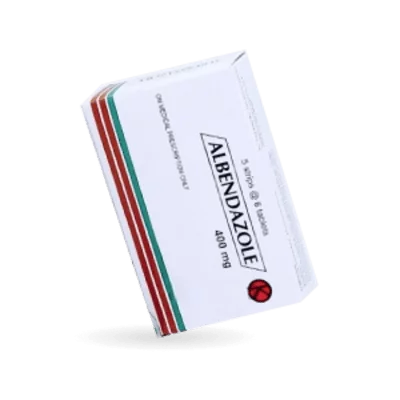
Albendazole contains albendazole and belongs to the benzimidazole class of anthelmintics. Anthelmintics treat infections caused by parasitic worms, including several intestinal roundworms and tapeworm-related conditions.
Composition
Albendazole contains albendazole, and belongs to the benzimidazole class of anthelmintics. Anthelmintics treat infections caused by parasitic worms, including several intestinal roundworms and tapeworm-related conditions. The medicine is used in adults and children when the infecting parasite and treatment plan match albendazole’s approved uses.
Albendazole is absorbed better when taken with food, especially a meal containing some fat. For intestinal infections treated with a single dose, food still helps reduce the chance of taking the pill on an empty stomach and then forgetting whether treatment was completed. FDA prescribing information describes albendazole as a systemic antiparasitic medicine for neurocysticercosis and hydatid disease, with specialist-led dosing for these invasive infections [1].
Take the pill with a meal unless a clinician has given a different instruction. For longer treatment courses, choosing the same meal each day makes missed doses less likely.
Dosage and usage
The correct regimen depends on the parasite, age, body weight, and whether infection is limited to the intestine or involves organs such as the brain, liver, lungs, or eyes. The dose is stated on the pack — follow the leaflet.
Common clinical regimens include:
- Ascariasis, hookworm, and pinworm: the dose is stated on the pack — follow the leaflet.
- Whipworm infection: the dose is stated on the pack — follow the leaflet.
- Strongyloidiasis or mixed intestinal worm infections: the dose is stated on the pack — follow the leaflet.
- Neurocysticercosis and hydatid disease: treatment is weight-based, divided into doses, and may continue for treatment cycles under specialist supervision.
Swallow the pill with water and food. Chewing may be appropriate only when a clinician has advised it for someone who cannot swallow tablets. Do not split a treatment course for invasive parasitic disease without medical direction.
A missed single-dose treatment usually requires a clear decision on whether the dose was actually taken. For a multi-day course, take the forgotten dose when remembered unless the next dose is near. Do not double the next dose.
Write the treatment date in a phone calendar before taking a single-dose regimen. This simple step prevents accidental repeat dosing a few days later when symptoms have not yet settled.
How it works
Albendazole blocks tubulin formation inside the parasite. Tubulin is a structural protein needed to build microtubules, which work like tiny internal transport tracks. When those tracks fail, the parasite cannot absorb glucose properly, loses energy stores, and eventually dies.
WHO guidance includes albendazole among medicines used in preventive chemotherapy programmes for soil-transmitted helminth infections such as ascariasis, hookworm infection, and trichuriasis [2].
Indications
It is used for people with susceptible intestinal or tissue parasitic infections.
Comparison
Albendazole is selected according to the parasite involved, the infection site, and local clinical guidance. Another antiparasitic may be preferred when the organism is resistant, when treatment targets a different parasite class, or when safety factors rule out albendazole.
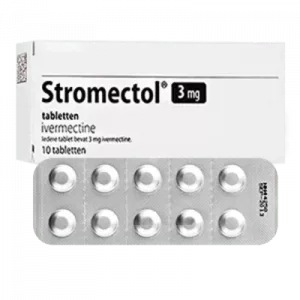
Mebendazole and albendazole have related mechanisms, yet their absorption and approved uses differ. Ivermectin acts through a separate pathway and is used for different parasitic infections, including some that do not respond adequately to benzimidzoles. A confirmed diagnosis matters most when symptoms persist, recur, or follow travel, exposure to contaminated soil, or contact with an infected household member.
Contraindications
Albendazole is not for you if you have a known allergy to albendazole, another benzimidazole medicine, or any ingredient in the pill.
Avoid Albendazole during pregnancy, especially during the first trimester, unless a specialist determines that treatment is necessary. A pregnancy test is recommended before starting prolonged therapy in women who could become pregnant. Effective contraception is advised during treatment and for one month after the final dose because animal studies found embryo-fetal harm.
Extra caution is needed in these situations:
- Existing liver disease or previously abnormal liver-function tests.
- Bone-marrow disorders or unexplained low white-cell counts.
- Seizure disorders, suspected neurocysticercosis, or severe headaches with visual changes.
- Eye symptoms or suspected eye involvement from a parasitic infection.
- Use of medicines that alter albendazole metabolism, including cimetidine, dexamethasone, praziquantel, ritonavir, phenytoin, carbamazepine, or phenobarbital.
Carbamazepine, phenytoin, and phenobarbital may reduce active albendazole metabolite levels. Cimetidine, dexamethasone, and praziquantel can increase exposure in some settings. For treatment lasting more than a few days, clinicians may monitor liver enzymes and complete blood counts before and during therapy.
When this is not for you
Do not use Albendazole without medical advice if you are pregnant, have liver or blood-cell problems, have seizures or visual symptoms, or take medicines that can change albendazole levels.
Side effects
Short intestinal-worm regimens are often tolerated without major problems. Mild side effects can include abdominal pain, nausea, vomiting, headache, dizziness, and temporary diarrhoea. These symptoms can arise from the infection itself, from the medicine, or from the body’s response as parasites die.
Longer courses and higher cumulative doses need closer monitoring. Liver enzyme elevations, hair thinning, fever, rash, and reduced blood-cell counts have been reported during prolonged therapy. Severe abdominal pain, yellowing of the skin or eyes, dark urine, unusual bruising, persistent fever, or a widespread blistering rash requires urgent medical assessment.
FDA safety information describes liver toxicity and bone-marrow suppression as significant risks during extended treatment, which is why blood counts and liver-function tests are used for long courses [1].
If nausea occurs after Albendazole, taking it midway through a normal meal is often easier than taking it before eating. Avoid alcohol during a prolonged course because both alcohol and albendazole can burden the liver.
One practical detail is easy to miss: symptoms may briefly feel more noticeable when parasites in tissue begin to die. In neurocysticercosis, inflammation around dying parasites can trigger headache or seizures, so specialist treatment may include corticosteroids and anticonvulsants.
Common mistakes
Several avoidable errors can make treatment less useful or increase adverse effects:
- Taking a single pill repeatedly because abdominal discomfort continues for a day or two.
- Using Albendazole for unexplained symptoms without identifying a likely parasite.
- Missing doses during a prescribed multi-day course.
- Taking a prolonged course without recommended liver and blood monitoring.
- Ignoring seizure, visual, or neurological symptoms before treating a suspected parasite.
- Treating one household member for suspected pinworm while overlooking hygiene measures and the clinician’s advice on contacts.
For suspected pinworm, handwashing after toileting and before meals matters because reinfection often comes from eggs on fingers, bedding, towels, or frequently touched surfaces.
A second common mistake is expecting immediate symptom relief. Albendazole affects the parasite, but intestinal irritation and altered bowel habits can take several days to settle. A clinician may recommend repeat testing rather than repeated unscheduled doses. Follow-up testing may be needed when symptoms continue. New fever, bleeding, or severe pain warrants prompt assessment.
What doctors say
In clinical practice, doctors usually separate simple intestinal worm treatment from invasive parasitic disease at the first assessment. A one-time intestinal regimen can be straightforward when the parasite is clear. Persistent abdominal symptoms are less straightforward, because constipation, food intolerance, inflammatory bowel disease, and bacterial infections can resemble parasitic illness.
Physicians also look for red flags. Fever, weight loss, blood in stool, severe pain, jaundice, seizures, confusion, or visual symptoms change the plan completely. These signs can indicate a condition that needs testing, imaging, hospital care, or a longer supervised antiparasitic course.