Description
Fenbendazole is a benzimidazole anthelmintic supplied here in capsule form. It is primarily associated with veterinary deworming programmes for animals affected by susceptible intestinal parasites. Its main action is interference with parasite cell structures needed for energy use and survival.
Composition
Fenbendazole is the stated active ingredient in this capsule-based veterinary antiparasitic medicine. The capsule contains a measured amount of fenbendazole; the exact amount and other capsule components are not specified here and should be checked on the pack.
How it works
Fenbendazole binds to beta-tubulin in susceptible parasites. Tubulin is the protein used to build microtubules, which act like internal tracks for moving nutrients and maintaining cell organisation.
When microtubules cannot form normally, parasite cells lose the ability to handle glucose efficiently. Energy stores fall, cellular transport fails, and the parasite is gradually impaired or eliminated. Mammalian cells also contain tubulin, which is one reason dose, exposure, and species-specific safety matter.
Benzimidazole resistance can occur when parasites develop changes in tubulin that reduce drug binding. This is a well-recognised challenge in veterinary parasitology and explains why repeated treatment failure should prompt parasite testing rather than simply extending exposure [3].
Indications
Fenbendazole is used in veterinary medicine for gastrointestinal worm infections. These parasites can reduce nutrient absorption, cause diarrhoea, weight loss, anaemia, reduced growth, and poor coat condition in affected animals.
Veterinary treatment programmes may target:
- Ascarids, often called roundworms
- Hookworms, which can attach to the intestinal wall and cause blood loss
- Whipworms, which may trigger chronic large-bowel diarrhoea
- Tapeworms of susceptible species
- Trichostrongylus and related stomach or intestinal worms in livestock
- Certain Giardia infections in dogs, where veterinary protocols may include fenbendazole
Pinworms are human parasites and are normally managed with human antiparasitic medicines selected for the diagnosed infection. Fenbendazole’s recognised parasite spectrum and treatment duration differ across animal species, so one parasite name does not automatically mean the same regimen applies in every setting [1].
A stool test can identify eggs, cysts, or parasite material. Symptoms alone cannot reliably identify the organism.
Persistent diarrhoea, visible worms, weight loss, pale gums, or repeated vomiting warrant diagnostic assessment rather than repeated unspecific deworming.
Comparison
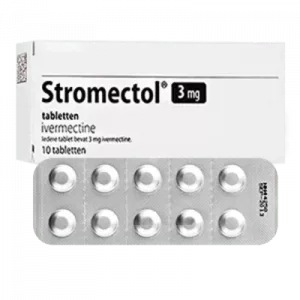
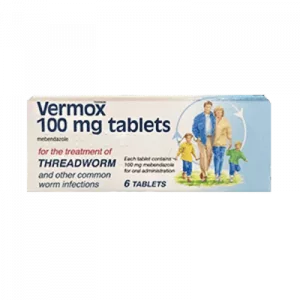
Fenbendazole, mebendazole, and ivermectin are antiparasitic medicines, though they do not work in the same way or cover the same organisms. Mebendazole and ivermectin have recognised roles in human parasitic disease management under diagnosis-led treatment pathways.
Mebendazole is closer to fenbendazole structurally because both are benzimidazoles. Ivermectin acts through different parasite ion-channel pathways and is not a substitute for a benzimidazole when a different organism is suspected.
The WHO Model List of Essential Medicines includes mebendazole and ivermectin for defined human health indications, reflecting their established roles in selected parasitic infections [2].
Contraindications
Fenbendazole is not for you if you have had an allergic reaction to fenbendazole or another benzimidazole medicine.
Extra caution is needed in the following situations:
- Pregnancy or planned pregnancy, because reproductive safety decisions require drug-specific human data
- Breastfeeding, where infant exposure and safety have not been established for self-directed use
- Known liver disease, raised liver enzymes, hepatitis, cirrhosis, or unexplained jaundice
- Bone-marrow disorders or unexplained low white blood cell, red blood cell, or platelet counts
- Cancer treatment, especially when chemotherapy, immunotherapy, targeted treatment, radiotherapy, or corticosteroids are involved
- Use of several medicines or supplements at once, which makes interaction and adverse-effect assessment less clear
Benzimidazole medicines can have clinically relevant interactions through hepatic metabolism. Cimetidine may increase exposure to some agents in this class, while enzyme-inducing medicines such as carbamazepine, phenytoin, or phenobarbital may alter exposure. Warfarin and other anticoagulants also merit attention because changes in liver metabolism can affect bleeding risk.
When this is not for you
A person considering any antiparasitic use should first establish the organism being treated. Different parasites require different medicines, and some symptoms blamed on worms have non-parasitic causes.
Side effects
Human safety data for fenbendazole are limited compared with medicines developed and assessed for human use. Reported concerns associated with benzimidazole exposure include digestive upset, nausea, abdominal discomfort, vomiting, loose stools, headache, rash, and altered liver enzyme results.
Mild gastrointestinal symptoms can be hard to interpret. They may come from the underlying illness, dietary changes, another medicine, or the active compound itself. A new widespread rash, facial swelling, dark urine, yellowing of the skin or eyes, severe upper abdominal pain, or persistent vomiting needs urgent medical assessment.
Liver effects deserve special attention. Benzimidazole-class medicines can be processed through the liver, and liver injury has been described with related agents. Alcohol use, pre-existing liver disease, and medicines that affect liver enzymes can complicate interpretation of symptoms and laboratory results.
A practical detail often missed is that mild fatigue or stomach symptoms may appear days after starting a non-standard protocol, making it difficult to identify the cause if several supplements or medicines were started together.
Common mistakes
Several mistakes can make antiparasitic use less safe or less useful:
- Treating abdominal symptoms as worms without diagnostic evidence
- Copying a veterinary schedule for human use
- Combining fenbendazole with multiple supplements, alcohol, or prescription medicines
- Ignoring persistent nausea, rash, jaundice, or dark urine
- Assuming laboratory cancer findings prove benefit in people
- Delaying parasite testing after repeated symptoms or treatment failure
- Treating every family member or pet owner with the same plan despite different risks
One overlooked problem is reinfection. In confirmed parasitic disease, the source may be contaminated food, water, soil, animal exposure, or close-contact transmission. Taking a medicine without addressing the source may not solve the problem.
What doctors say
Doctors focus first on diagnosis. Gastrointestinal symptoms, fatigue, weight changes, and skin complaints can have dozens of causes, while parasite infection requires confirmation through the right clinical test.
In clinical practice, physicians are also alert to a common pattern: a person begins several products during an alternative protocol and then cannot tell which one caused nausea, abnormal liver tests, or a rash. A clear medication history can prevent that confusion.
For proven human helminth infection, clinicians select a medicine according to the parasite, travel history, test result, age, pregnancy status, liver function, and other medicines. For cancer, the central issue is preserving treatments with established survival or disease-control evidence.