Verified
I used Arjuna as part of my morning routine. I liked the tablet format because I did not have to prepare bark tea, and I felt more consistent with my walking routine.
Sep 23, 2026

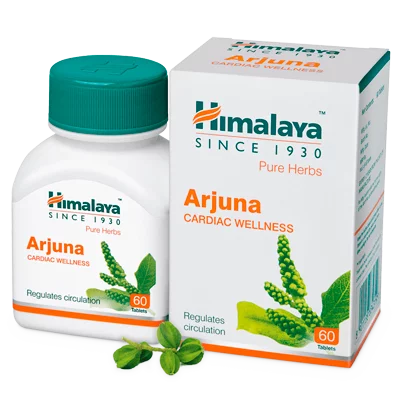
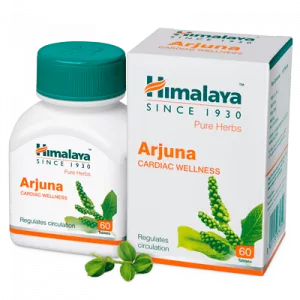
Arjuna is a herbal tablet containing Terminalia arjuna bark. It is intended for adults seeking circulatory support as part of a heart-conscious routine. Its plant compounds may support antioxidant balance and normal vascular function.
Arjuna is a herbal tablet containing Terminalia arjuna, a plant traditionally used in Ayurveda for cardiac wellness. It is intended for adults seeking circulatory support as part of a heart-conscious routine. Its plant compounds may support antioxidant balance and normal vascular function.
Terminalia arjuna contains naturally occurring plant compounds, including triterpenoids such as arjunolic acid, flavonoids, tannins, glycosides, and phenolic compounds. Arjunolic acid has attracted scientific attention because laboratory research suggests antioxidant and cell-protective activity.
These compounds do not work like a single pharmaceutical active ingredient. Their effects may depend on the preparation, the amount used, individual metabolism, diet, and concurrent medicines.
Tannins give many bark-based botanicals their naturally astringent character. In some people, this may contribute to mild stomach discomfort, especially when tablets are taken without food.
A peer-reviewed review in the Journal of Ethnopharmacology describes the phytochemistry and pharmacology of Terminalia arjuna, while also identifying the need for larger, better-controlled human studies [1].
The plant compounds in Terminalia arjuna, including arjunolic acid, flavonoids, tannins, glycosides, and phenolic compounds, may influence antioxidant activity and normal vascular function. Their effects may depend on the preparation, individual metabolism, diet, and concurrent medicines.
Arjuna extract is used mainly for cardiovascular wellness. Traditional practice associates Terminalia arjuna with support for healthy circulation, physical endurance, and heart muscle function.
Its benefits are best understood as supportive rather than curative. Arjuna is not a treatment for a heart attack, heart failure, uncontrolled hypertension, or cardiac rhythm disorder.
Potential supportive roles include:
Research interest has focused on whether arjuna bark may influence lipid oxidation, vascular tone, and cardiac muscle metabolism. Small clinical studies have produced promising signals, yet study designs, extract strengths, and participant groups differ too widely for Arjuna to replace standard cardiovascular care.
One limitation matters. Herbal support is gradual and subtle for many users.
Arjuna is supplied as tablets for oral use. This format avoids the preparation time and variable taste associated with loose Arjun bark, powders, or homemade herbal drinks.
| Approach | Main feature | Practical consideration |
|---|---|---|
| Arjuna tablets | Measured herbal tablet format | Convenient for a regular routine |
| Loose arjuna bark | Traditional preparation method | Strength can vary between preparations |
| Prescription cardiovascular treatment | Targeted treatment for diagnosed disease | Requires clinician-led selection and monitoring |
Tablets are useful for people who prefer a consistent format. They are not interchangeable with raw bark preparations, because the concentration and processing approach may differ.
The European Medicines Agency’s herbal-medicine quality guidance stresses that botanical preparations require controlled identity and quality standards, since plant-based products can vary by species, plant part, and preparation method [2].
Use requires extra caution in the following situations:
The main practical concern is additive effect. A supplement that may influence circulation can compound the effect of blood-pressure or blood-thinning treatment, even if the change feels mild at first.
Arjuna is not for you if you have had an allergic reaction to Terminalia arjuna or another component of the tablets.
Avoid self-directed use if you are pregnant, breastfeeding, preparing for surgery, or managing a diagnosed heart condition without a clinician’s approval. Reliable safety data for pregnancy and breastfeeding are limited.
Arjuna is generally used as a wellness supplement, yet plant-based tablets can still cause unwanted effects. Mild digestive symptoms are the most plausible concern, including nausea, abdominal discomfort, loose stools, constipation, or a dry mouth sensation.
Stop use and seek prompt medical help if swelling of the lips or face, wheezing, widespread hives, severe dizziness, or fainting develops. These symptoms may indicate an allergic reaction or a clinically significant drop in blood pressure.
People respond differently. A person with a sensitive stomach may notice discomfort in the first few days, while another may experience no noticeable effects.
Possible tolerability concerns include:
A 2014 scientific review of Terminalia arjuna reported that human safety data remain limited compared with data from traditional use and laboratory research [1]. This is why medication history matters more than broad marketing claims.
A frequent mistake is treating Arjuna as a replacement for prescribed blood-pressure or cholesterol medicine. Stopping prescribed treatment can cause blood pressure to rise without obvious symptoms.
Another common error is taking an herbal tablet only occasionally and expecting an immediate change in energy or circulation. Herbal wellness products are used as part of a steady routine, not as a rapid response to cardiac symptoms.
People also overlook interaction risks because supplements feel natural. Natural substances can still affect blood pressure, digestion, blood clotting, and medication response.
Mixing Arjuna with multiple heart-focused herbs is another avoidable problem. It makes the combined effect difficult to predict and harder to assess if dizziness or stomach upset appears.
In clinical practice, doctors usually focus first on the reason someone wants a cardiac wellness supplement. For a healthy adult with no interacting medicines, Arjuna may fit a wellness routine. For someone with high blood pressure, chest symptoms, diabetes, kidney disease, or a past cardiac event, medication review and monitoring come first.
A physician would also ask about exercise tolerance. New breathlessness while walking, ankle swelling, pressure in the chest, or repeated palpitations should not be managed with supplements alone.
Arjuna may appeal to people who prefer herbal approaches. Its drawback is that human clinical evidence is still less consistent than the evidence supporting prescribed treatment for diagnosed cardiovascular disease.
Arjuna may support circulation, and some early research has explored possible effects on vascular function. It should not be used as a stand-alone treatment for hypertension. WHO guidance published in 2019 supports evidence-aware use of traditional medicines, which means keeping blood-pressure monitoring and prescribed care in place. Persistent readings above your target range need clinical review.
People with diagnosed coronary artery disease, heart failure, arrhythmia, or previous cardiac events should not add Arjuna casually. The concern is not only the herb itself; interactions with blood-pressure medicines, diuretics, anticoagulants, and antiplatelet medicines can matter. EMA herbal quality guidance from 2018 reinforces why preparation quality and appropriate use are central with botanical products. Chest pain or new breathlessness requires urgent assessment rather than a supplement adjustment.
Blood thinners and antiplatelet medicines require extra care because changes in circulation or clotting can have serious consequences. Examples include warfarin, apixaban, rivaroxaban, aspirin, and clopidogrel. A 2014 Journal of Ethnopharmacology review highlights the limited depth of human safety evidence for Terminalia arjuna. A prescriber should assess the full medicine list before Arjuna is added.
Arjuna tablets should be taken according to the product directions and at a consistent time that suits your routine. People who experience mild stomach discomfort may find taking the tablet with food more comfortable. MOHAP health messaging aligns with WHO guidance published in 2019, emphasising informed use of health products and awareness of potential interactions. Do not double the intake after a missed tablet.
Some preliminary studies and laboratory findings have examined whether Terminalia arjuna may influence lipid metabolism and oxidative stress. These findings do not make Arjuna a replacement for prescribed lipid-lowering treatment, dietary changes, or follow-up blood tests. WHO’s 2019 traditional medicine report distinguishes long-standing use from confirmation of clinical benefit for specific diseases. Cholesterol can only be assessed accurately with a blood test.
Yes. Mild nausea, abdominal discomfort, bowel changes, or a dry mouth sensation can occur with herbal tablets, especially in sensitive users. The Journal of Ethnopharmacology review published in 2014 found that stronger human safety studies are still needed. Stop use if symptoms are persistent, severe, or accompanied by rash, swelling, fainting, or breathing difficulty.
Your order will be securely packed and shipped within 24 hours. This is exactly what your package will look like (images of an actual item sent). It has the size and look of a regular private letter (9.4x4.3x0.3 in. or 24x11x0.7 cm) and its contents cannot be seen.
In Ayurveda, Arjun bark has traditionally been associated with cardiac strength, circulation, recovery from exertion, and general vitality. Modern interest centres on its polyphenols, triterpenoids, and possible antioxidant activity.
Traditional use is valuable cultural and historical context, yet it does not establish a treatment effect for every cardiovascular condition. High blood pressure, diabetes, raised cholesterol, and heart disease each need proper measurement and targeted care.
MOHAP and the WHO both promote informed, responsible use of health products. For Arjuna, that means realistic expectations, awareness of interactions, and attention to symptoms that need clinical evaluation.
I used Arjuna as part of my morning routine. I liked the tablet format because I did not have to prepare bark tea, and I felt more consistent with my walking routine.
I added it after discussing my blood-pressure medicines with my doctor. I did not expect a dramatic feeling, but I preferred the simple daily routine and had no stomach problems.
The first few days gave me mild nausea when I took it before breakfast. Taking it with food suited me better, and the discomfort stopped.
I stopped after feeling light-headed during a period when my pressure readings were already lower than usual. My clinician reviewed all my medicines and advised against continuing it.