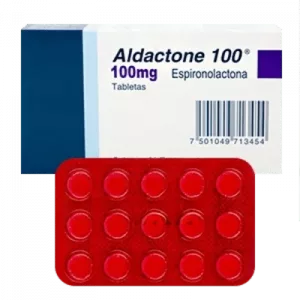
Description
Clonidine is a centrally acting blood-pressure medicine containing clonidine hydrochloride. Clonidine belongs to the group of centrally acting alpha-2 adrenergic agonists.
Composition
The dose is stated on the pack — follow the leaflet. Clonidine belongs to the group of centrally acting alpha-2 adrenergic agonists. It is supplied as oral tablets in a bottle of 100 tablets.
Clonidine stimulates alpha-2 receptors in the brainstem. These receptors reduce the release of noradrenaline from sympathetic nerves, the part of the nervous system that raises pulse, tightens blood vessels, and increases blood pressure. The result is a gradual reduction in vascular resistance and heart rate [1].
Clonidine tablets should be swallowed whole with water. Taking doses at consistent morning and evening times helps limit blood-pressure swings and makes missed doses easier to notice.
For hypertension, clonidine is usually used when a prescriber considers it suitable alongside lifestyle measures or other antihypertensive treatment. It can lower blood pressure well, though drowsiness, dry mouth, and dizziness make it less convenient for some people than newer first-line options.
Dosage and usage
The dose is stated on the pack — follow the leaflet. A prescriber may adjust the dose gradually according to blood-pressure response, pulse, daytime drowsiness, kidney function, and other antihypertensive medicines.
Use Clonidine exactly as prescribed.
- Take the tablet by mouth with a glass of water.
- Keep doses at evenly spaced times each day.
- It may be taken with or without food.
- Do not take an extra tablet to compensate for a missed dose.
- If a dose is missed and the next dose is due soon, skip the missed dose and resume the usual schedule.
- Do not stop clonidine abruptly.
Abrupt withdrawal can cause a rapid return of high blood pressure. Some people also develop headache, nervousness, tremor, palpitations, sweating, or chest discomfort when clonidine is discontinued too quickly. The FDA prescribing information advises gradual dose reduction rather than sudden cessation, especially for people using higher doses or beta-blockers [3].
A practical detail that often prevents problems: keep enough tablets available for uninterrupted treatment. Missing several consecutive doses is more concerning than missing a single dose because rebound symptoms can develop quickly.
If clonidine causes marked dizziness when standing, sit on the edge of the bed for a moment before getting up. This simple habit can reduce falls during the adjustment period.
How it works
Clonidine acts in the central nervous system rather than directly relaxing blood vessels. By reducing sympathetic outflow from the brain, it lowers the signals that tell the heart to beat faster and the arteries to constrict.
This mechanism explains several effects at once:
- Lower resting blood pressure and pulse
- Reduced physical symptoms of autonomic overactivity, such as sweating and tremor
- Sedation or tiredness, especially early in treatment
- Dry mouth from reduced salivary secretion
- A risk of rebound hypertension if treatment stops suddenly
The World Health Organization recognises that blood-pressure treatment should be tailored to cardiovascular risk, coexisting disease, treatment tolerance, and adherence rather than chosen only by a single blood-pressure reading [2].
Indications
Clonidine is used for adults with hypertension and may also be prescribed for selected cases of menopausal flushing, ADHD, or withdrawal symptoms.
Clonidine is sometimes selected for symptoms beyond hypertension because sympathetic overactivity plays a role in hot flushes and withdrawal-related sweating, agitation, and elevated pulse. Those uses require condition-specific prescribing plans. The tablet dose used for blood pressure may not match the dose or schedule used for other indications.
Comparison
Clonidine is not usually the first medicine chosen for uncomplicated hypertension because several other drug classes have stronger long-term outcome evidence and are easier to tolerate. Its central action can still be useful when a prescriber needs to reduce sympathetic activity or when other treatments have not achieved adequate control.
NICE hypertension guidance places ACE inhibitors, ARBs, calcium-channel blockers, and thiazide-like diuretics at the centre of routine treatment pathways for adults with primary hypertension [4]. Cochrane reviews also evaluate evidence on antihypertensive treatment outcomes. Clonidine may be considered when the clinical situation calls for it, though sedation and withdrawal risk limit its convenience.
A lower pulse is not always a benefit. People who already have bradycardia, fainting episodes, or conduction problems need individual assessment before clonidine is prescribed.
Contraindications
It may also be unsuitable, or need close dose adjustment, in people with:
- A very slow resting pulse
- Heart conduction disorders
- Recurrent fainting or severe postural hypotension
- Severe coronary artery disease
- Significant kidney impairment
- Depression that worsens with sedating medicines
- Pregnancy or breastfeeding where a prescriber has not assessed the balance of benefit and risk
Beta-blockers deserve special attention. Using a beta-blocker with clonidine can increase the risk of slow pulse and low blood pressure. If treatment needs to be stopped, prescribers often manage the beta-blocker and clonidine sequence carefully to reduce rebound hypertension.
Tricyclic antidepressants may reduce clonidine’s blood-pressure effect. Medicines that slow the heart rate, including digoxin and certain calcium-channel blockers, can add to clonidine’s cardiac effects. The European Medicines Agency highlights blood-pressure monitoring, interaction review, and individual cardiovascular assessment as core elements of antihypertensive medicine use [5].
When this is not for you
Clonidine is not for you if you have had a serious allergic reaction to clonidine or to a component of the tablet.
Side effects
Dry mouth and drowsiness are among the most frequent effects of clonidine. Constipation, fatigue, dizziness, headache, nausea, reduced sexual interest, and disturbed sleep can also occur. Symptoms are often strongest after starting treatment or after a dose increase.
Blood pressure can fall too far. This may cause blurred vision, weakness, unsteadiness, or near-fainting when standing. A slow pulse may also occur because clonidine reduces sympathetic stimulation of the heart.
Serious symptoms need prompt medical assessment:
- Fainting or repeated near-fainting
- Chest pain, severe breathlessness, or a very slow heartbeat
- Severe confusion or unusual sedation
- A sudden, severe headache with very high blood pressure after missed doses
- Swelling of the face, lips, tongue, or throat
Dry mouth can be more than an annoyance. Frequent water sips, sugar-free gum, and regular dental care help reduce discomfort and lower the risk of tooth decay during prolonged treatment.
Alcohol, sleep medicines, opioid pain medicines, sedating antihistamines, and some anxiety treatments can intensify clonidine-related sleepiness. Combining them may also worsen impaired coordination and low blood pressure.
Common mistakes
The most consequential mistake is stopping clonidine suddenly. Rebound hypertension can be stronger than the original blood-pressure rise and may be accompanied by agitation, tremor, and headache.
Other frequent problems include:
- Taking doses only when blood pressure feels high
- Doubling the next dose after forgetting one
- Combining clonidine with alcohol or sedatives without considering additive drowsiness
- Ignoring a persistently slow pulse
- Changing the timing of doses repeatedly
- Assuming tiredness means the medicine has permanently become intolerable before the adjustment period has passed
Another overlooked issue is dehydration. Vomiting, diarrhoea, fasting, or heavy heat exposure can make dizziness and low blood pressure more likely. Regular fluids and slower position changes are useful when these circumstances arise.
What doctors say
In clinical practice, clonidine is valued for its predictable central effect on sympathetic overactivity. Doctors often see a clear blood-pressure response. Treatment can fail when patients stop suddenly. Sleepiness can make adherence more difficult. Any dose change should follow a prescriber's plan.
Expectations should be realistic. Clonidine can control blood pressure, but it does not remove the need to address salt intake, weight, smoking, alcohol intake, sleep quality, diabetes, kidney disease, or other cardiovascular risks.
A prescriber will usually focus on three practical questions: whether blood pressure is improving, whether pulse is staying in a comfortable range, and whether daytime sedation interferes with work or driving. Those details guide dose changes better than a single clinic reading.