Verified
I took it for a urine infection after the culture result. The burning improved after two days. I had mild nausea on the first morning, so I started taking it after breakfast and that settled it.
Aug 19, 2026

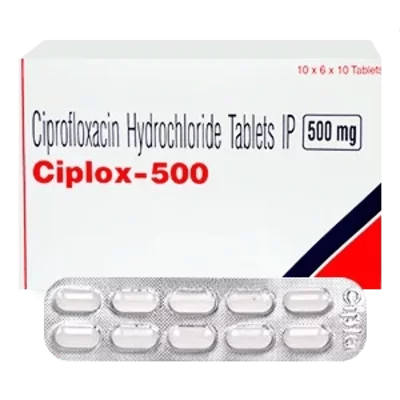
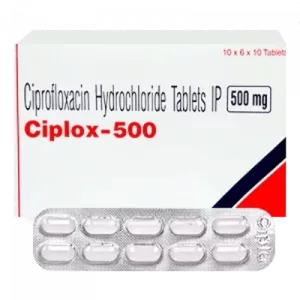
Ciplox is an oral antibiotic for adults with susceptible bacterial infections. Its active ingredient, ciprofloxacin, blocks bacterial DNA enzymes so susceptible bacteria stop multiplying and the infection can clear.
Ciplox is an oral fluoroquinolone antibiotic containing ciprofloxacin hydrochloride. The dose is stated on the pack — follow the leaflet. Ciprofloxacin belongs to the fluoroquinolone class of antibiotics.
The dose is stated on the pack — follow the leaflet. Ciprofloxacin belongs to the fluoroquinolone class of antibiotics. These medicines act against selected Gram-negative and Gram-positive bacteria, though resistance patterns differ by infection site and local microbiology.
Ciprofloxacin is a broad-spectrum antibiotic, but broad spectrum does not mean suitable for every infection. Antibiotic selection should match the likely bacteria, infection severity, kidney function, prior antibiotic exposure, and local resistance data. The WHO AWaRe framework places ciprofloxacin among antibiotics that require careful, targeted use because unnecessary exposure can promote resistance. [1]
Ciplox is swallowed as a tablet. The dose is stated on the pack — follow the leaflet. Adult courses often use one tablet every 12 hours, though the exact schedule and treatment length depend on the diagnosed infection, bacterial susceptibility, kidney function, and clinical response.
Use Ciplox exactly as prescribed. Do not stop solely because burning, fever, pain, or urinary symptoms improve early. Symptoms can settle before the infection has fully cleared.
A meal containing dairy is less problematic than taking Ciplox with dairy alone. The key issue is avoiding a calcium-rich drink or dairy product as the sole accompaniment to the dose.
Ciprofloxacin inhibits two bacterial enzymes called DNA gyrase and topoisomerase IV. Bacteria need these enzymes to copy and repair their genetic material. When the enzymes are blocked, bacterial growth stops and susceptible bacteria die.
Human cells do not use these enzymes in the same way, which is why ciprofloxacin can target bacteria. Yet fluoroquinolones also affect connective tissue and the nervous system in a small number of people. This explains why tendon pain, tingling, unusual nerve sensations, mood changes, and marked muscle weakness require prompt medical assessment.
Ciplox does not work by weakening the immune system. It works directly on susceptible bacteria.
The European Medicines Agency restricted fluoroquinolone use after reviewing reports of long-lasting musculoskeletal and neurological adverse effects. Ciprofloxacin remains useful when its expected benefit is greater than those recognised risks. [2]
Ciplox may be prescribed for certain urinary tract infections, bacterial prostatitis, gastrointestinal infections, skin and soft-tissue infections, bone or joint infections, and selected respiratory infections. It does not treat viral illnesses such as colds, influenza, or viral sore throat.
Antibiotics are chosen by infection type and culture results, not by habit. Ciplox can be valuable for susceptible Gram-negative infections, though other agents may be preferred for uncomplicated infections or when fluoroquinolone risks outweigh the likely benefit.
| Option | How it works | Typical place in treatment |
|---|---|---|
| Ciprofloxacin | Fluoroquinolone that blocks bacterial DNA gyrase and topoisomerase IV | Selected susceptible urinary, gastrointestinal, prostate, skin, and complicated infections |
| Trimethoprim-sulfamethoxazole | Blocks two steps in bacterial folate production | Selected urinary and skin infections when susceptibility supports use |
| Levofloxacin | Fluoroquinolone that also blocks bacterial DNA enzymes | Certain respiratory or complicated infections; shares fluoroquinolone warnings |
For uncomplicated cystitis, clinicians often select narrower antibiotics when suitable, rather than using ciprofloxacin first. For complicated urinary infections, bacterial prostatitis, or infections involving organisms resistant to narrower choices, ciprofloxacin may be selected after culture results.
Fluoroquinolones are not interchangeable. Ciprofloxacin has stronger activity against some Gram-negative organisms, while levofloxacin is used more often in selected respiratory settings. The choice depends on the infection, not simply the antibiotic class.
Warfarin may have a stronger anticoagulant effect during ciprofloxacin treatment, so INR monitoring can be needed. Ciprofloxacin can also interact with theophylline, clozapine, duloxetine, methotrexate, corticosteroids, non-steroidal anti-inflammatory drugs, and medicines affecting heart rhythm.
This medication is not for you if you have ever had a serious allergic reaction to ciprofloxacin, another quinolone antibiotic, or an ingredient in the tablet. Do not take it with tizanidine, because the combination can cause severe drowsiness or dangerously low blood pressure.
Tell a clinician before treatment if you have had tendon problems with an antibiotic, muscle weakness from myasthenia gravis, serious heart or rhythm problems, kidney disease, seizures, diabetes, pregnancy, or breastfeeding. You should also mention medicines such as warfarin, theophylline, clozapine, duloxetine, methotrexate, corticosteroids, anti-inflammatory drugs, or medicines that affect heart rhythm.
Most people tolerate a short prescribed course without serious problems. Common effects include nausea, diarrhoea, abdominal discomfort, indigestion, headache, dizziness, sleep disturbance, altered taste, and sensitivity to sunlight. Mild nausea often improves when the tablet is taken after a normal meal.
Diarrhoea deserves attention. Loose stools can occur with many antibiotics, but persistent watery diarrhoea, abdominal cramping, fever, or blood in the stool may signal antibiotic-associated colitis and needs urgent medical assessment.
Stop Ciplox and seek urgent medical advice for tendon pain or swelling, sudden joint pain, numbness, burning sensations, severe weakness, confusion, hallucinations, seizures, a widespread rash, facial swelling, breathing difficulty, or a fast irregular heartbeat. Tendon problems often involve the Achilles tendon, though the shoulder, hand, thumb, knee, and elbow can also be affected.
The risk of tendon injury is higher in adults over 60 years, people taking corticosteroids, transplant recipients, and people with kidney impairment. The FDA prescribing information also warns about peripheral neuropathy, central nervous system effects, blood glucose disturbances, and worsening of myasthenia gravis. [3]
Several avoidable errors can reduce Ciplox absorption or delay recognition of an adverse reaction.
In clinical practice, prescribers value ciprofloxacin when microbiology supports it and the infection needs an oral antibiotic with reliable tissue penetration. It can reach useful concentrations in urine and prostate tissue, which is relevant in selected complicated urinary infections and bacterial prostatitis.
Doctors also tend to be cautious with repeat fluoroquinolone courses. A patient who developed tendon pain, severe insomnia, tingling, marked agitation, or unusual weakness during a previous course should mention that history before another fluoroquinolone is selected.
MOHAP supports antimicrobial stewardship in the UAE, reflecting the same principle used internationally: use an antibiotic when bacterial infection is likely or confirmed, choose the most suitable agent, and use the shortest clinically appropriate course.
Ciprofloxacin begins acting against susceptible bacteria after absorption, though symptom improvement depends on the infection site and severity. Urinary symptoms may start easing within a few days, while deeper infections can take longer to settle. The 2023 WHO AWaRe guidance stresses that symptom improvement does not confirm bacterial eradication, so complete the prescribed course unless the prescriber changes it. [4]
No. Ciplox targets bacteria and has no effect on viruses. WHO guidance published in 2023 identifies inappropriate antibiotic use for viral infections as a major driver of antimicrobial resistance. Fever, cough, body aches, or throat pain alone do not establish a bacterial infection.
Yes, Ciplox can be taken with food if this reduces stomach upset. Avoid swallowing it with milk, yoghurt, or calcium-fortified juice alone, and separate it from mineral supplements and antacids. The FDA’s 2016 ciprofloxacin prescribing information gives the two-hours-before or six-hours-after spacing rule for products containing multivalent cations.
Stop strenuous exercise and seek prompt medical advice if new tendon pain, swelling, stiffness, or weakness appears. The EMA’s 2019 fluoroquinolone review linked these medicines with tendon inflammation and rupture, sometimes occurring early in treatment or after treatment ends. Do not restart ciprofloxacin unless a clinician has assessed the reaction and advised a plan.
Alcohol does not create the same direct interaction seen with some antibiotics, yet it can worsen dizziness, dehydration, stomach upset, poor sleep, and impaired judgement. Avoiding alcohol is sensible when fever, diarrhoea, nausea, dizziness, or fatigue are present. The 2024 MHRA fluoroquinolone safety communication also reinforces the need to recognise neurological and musculoskeletal symptoms promptly. [5]
Yes. Ciprofloxacin can rarely cause low or high blood glucose, with greater concern in people using insulin or sulfonylurea diabetes medicines. Symptoms of low glucose include sweating, tremor, hunger, confusion, and palpitations. The FDA's 2016 prescribing information highlights serious blood sugar disturbances with systemic fluoroquinolones, so unusual readings or symptoms during treatment need prompt clinical review. Contact a clinician promptly if glucose readings are unexpectedly low or high.
Your order will be securely packed and shipped within 24 hours. This is exactly what your package will look like (images of an actual item sent). It has the size and look of a regular private letter (9.4x4.3x0.3 in. or 24x11x0.7 cm) and its contents cannot be seen.
I took it for a urine infection after the culture result. The burning improved after two days. I had mild nausea on the first morning, so I started taking it after breakfast and that settled it.
The schedule was easy because I used breakfast and dinner times. I nearly took my magnesium supplement with it, then separated it after reading about the interaction. No major side effects for me.
It helped the infection symptoms, but coffee made me feel restless and I slept badly for two nights. Cutting out afternoon coffee made a noticeable difference.
I developed soreness around my heel that felt different from my usual stiffness. My prescriber changed the treatment after I reported it. The infection was managed, but I would not ignore tendon pain again.