Description
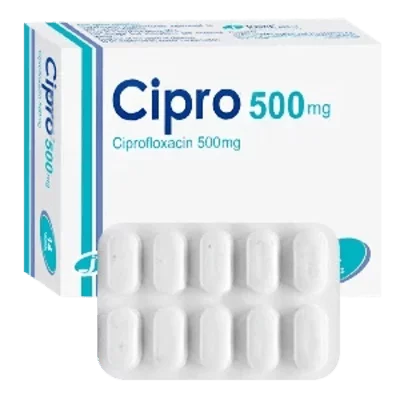
Cipro is a tablet product intended for use according to the pack and leaflet. It is used when the product information considers it appropriate, and the exact dose is stated on the pack—follow the leaflet.
Composition
The dose is stated on the pack—follow the leaflet. Ciprofloxacin belongs to the fluoroquinolone antibiotic class and is used for selected urinary tract, kidney, prostate, gastrointestinal, skin, bone, and certain respiratory bacterial infections when treatment is clinically appropriate.
Cipro does not treat viral illnesses such as colds or influenza. Its benefit depends on the bacteria causing the infection and their antibiotic susceptibility.
Ciprofloxacin blocks two bacterial enzymes, DNA gyrase and topoisomerase IV. Bacteria need these enzymes to copy and repair their genetic material. Once this process is disrupted, susceptible bacteria cannot multiply. The FDA prescribing information also highlights that ciprofloxacin should be reserved for infections where its benefits outweigh fluoroquinolone-specific risks [1].
Cipro is intended for a confirmed or strongly suspected bacterial infection. Taking
antibiotics for a viral sore throat, cold, or flu will not shorten recovery and can promote antibiotic resistance.
Dosage and usage
Cipro is taken by mouth as a tablet. The dose is stated on the pack—follow the leaflet. The correct duration depends on the infection site, severity, culture results, kidney function, and response to treatment.
Swallow the tablet whole with a full glass of water. It may be taken with a meal if nausea occurs, but avoid taking it with dairy products alone, such as milk or yoghurt, because calcium can reduce ciprofloxacin absorption. A normal meal containing dairy is less problematic than dairy taken as the main item with the tablet.
- Take each dose about 12 hours apart when prescribed twice daily.
- Drink adequate fluids unless fluid intake has been restricted for a medical reason.
- Separate Cipro from antacids containing magnesium or aluminium, sucralfate, iron, zinc, calcium supplements, and multivitamins.
- Take Cipro at least 2 hours before these products or 6 hours after them.
- Do not double a missed dose. Take it when remembered unless the next scheduled dose is near; then skip the missed dose.
- Kidney impairment may require a lower dose or a longer interval between doses.
Minerals are one of the easiest reasons for an antibiotic to seem ineffective. A multivitamin at breakfast and Cipro soon afterwards can substantially reduce absorption, even when the tablet was taken exactly as prescribed.
How it works
Ciprofloxacin blocks two bacterial enzymes, DNA gyrase and topoisomerase IV. Bacteria need these enzymes to copy and repair their genetic material. Once this process is disrupted, susceptible bacteria cannot multiply. Its activity is bactericidal, meaning it kills susceptible bacteria rather than only slowing their growth.
Indications
Cipro is a tablet product intended for use according to the information on its pack and leaflet. The exact indication, dose, and precautions are not established here, so follow the leaflet and seek advice from a healthcare professional when needed.
Comparison
Antibiotic choice should follow the infection site, local resistance patterns, culture results, allergies, pregnancy status, kidney function, and previous antibiotic exposure. Cipro may be appropriate for susceptible bacteria, but it is not automatically the first option for every infection.
For uncomplicated bladder infections, guidelines often favour narrower antibiotics where suitable because they exert less ecological pressure on intestinal bacteria. Ciprofloxacin may be chosen when culture findings support it, when other options are unsuitable, or when the infection involves tissues where ciprofloxacin achieves useful concentrations.
Nitrofurantoin concentrates in urine and is therefore not suitable for suspected pyelonephritis, fever-related upper urinary infection, or prostatitis. Ciprofloxacin can penetrate prostate tissue, yet its tendon, nerve, mental-health, and blood-sugar warnings mean clinicians weigh benefits carefully before selecting it.
NICE guidance on lower urinary tract infections supports targeted antibiotic selection based on symptoms, risks of complications, urine culture findings, and prior antibiotic use [2].
Benefits and limitations
Potential benefits include activity against susceptible bacteria, oral dosing, and penetration into prostate tissue. Limitations include bacterial resistance, serious fluoroquinolone adverse effects, and the need to separate doses from mineral products. Cipro is not a universal first choice, so culture results and patient-specific risks guide selection.
Contraindications
Cipro is not for you if you have had a serious allergic reaction to ciprofloxacin or another quinolone antibiotic, or if you take tizanidine. Combining ciprofloxacin with tizanidine can cause dangerous increases in tizanidine levels, leading to profound drowsiness, low blood pressure, and slowed heart rate.
Extra caution is needed in several situations:
- Previous tendon disorder linked to a fluoroquinolone antibiotic.
- Myasthenia gravis, because ciprofloxacin can worsen muscle weakness and breathing difficulty.
- A history of seizures, epilepsy, serious head injury, or conditions that lower the seizure threshold.
- Known aortic aneurysm, aortic dissection, or strong risk factors for these conditions.
- Significant kidney impairment, as dosing may need adjustment.
- Diabetes treated with insulin or sulfonylureas, due to a risk of low or high blood glucose.
- Pregnancy or breastfeeding, when the prescriber must assess infection severity and treatment options.
- Heart-rhythm disorders or use of medicines that prolong the QT interval.
Ciprofloxacin can increase the effects of warfarin, raising bleeding risk. It can also interact with theophylline, clozapine, duloxetine, methotrexate, caffeine, and some antiarrhythmics. Tell the prescriber about every regular medicine, including inhalers, migraine treatments, supplements, and mineral products.
The FDA warns that fluoroquinolones can cause serious changes in blood sugar and mental-health effects, with older adults and people using glucose-lowering treatment needing closer attention [4].
When this is not for you
Do not use Cipro if you have ever had a serious allergic reaction to ciprofloxacin or another quinolone antibiotic, or if you take tizanidine. Ask a clinician for another option if you have had fluoroquinolone-related tendon problems, muscle weakness from myasthenia gravis, seizures, major heart-rhythm problems, an aortic aneurysm, significant kidney disease, diabetes treated with glucose-lowering medicines, or are pregnant or breastfeeding.
Side effects
Many people tolerate a short prescribed course of Cipro without major difficulty. Common effects include nausea, diarrhoea, stomach discomfort, indigestion, headache, dizziness, sleep disturbance, altered taste, and sensitivity to sunlight. Loose stools can occur because antibiotics temporarily alter the balance of intestinal bacteria.
A mild upset stomach often improves when the tablet is taken with food, provided the meal is not mainly dairy. Keep hydrated, especially if diarrhoea occurs. Avoid prolonged sun exposure and use high-SPF protection because ciprofloxacin can increase photosensitivity.
Some reactions require prompt medical assessment:
- Pain, swelling, stiffness, or a snapping sensation in a tendon, especially the Achilles tendon at the back of the ankle.
- Tingling, burning, numbness, weakness, or unusual pain in the hands or feet.
- Severe anxiety, agitation, confusion, hallucinations, seizures, or major changes in mood.
- Severe or persistent diarrhoea, blood or mucus in stools, or fever during treatment or after the course.
- Rash with facial swelling, wheezing, blistering, or skin peeling.
- Sudden chest, stomach, or back pain in a person with known aortic aneurysm risk.
Tendon problems may occur during treatment or months afterwards. The risk rises in adults over 60 years, people taking corticosteroids such as prednisolone, transplant recipients, and people with kidney disease. The European Medicines Agency restricted fluoroquinolone use after reviewing disabling and potentially long-lasting adverse effects involving tendons, muscles, joints, and nerves [3].
New Achilles pain is not a symptom to walk off. Stop strenuous exercise, avoid running or heavy calf work, and seek medical advice promptly because continuing to load the tendon can turn early inflammation into a rupture.
Common mistakes
Several avoidable errors can reduce Cipro’s benefit or increase the risk of harm.
- Taking the tablet with a calcium, iron, zinc, or magnesium supplement.
- Stopping after one or two days because symptoms have improved.
- Using leftover tablets from a past illness.
- Taking two tablets together after forgetting a dose.
- Ignoring tendon pain because it seems related to exercise.
- Continuing intense gym training or long-distance running after new calf or heel pain starts.
- Treating watery diarrhoea with anti-diarrhoeal medicines without assessing whether it is severe or accompanied by fever or blood.
- Assuming any urinary symptom requires ciprofloxacin without considering sexually transmitted infections, kidney stones, vaginal infections, or non-infectious bladder conditions.
Keep a simple dose record in a phone note during a twice-daily course. It prevents the common late-evening uncertainty of whether the second tablet was already taken, which is safer than guessing or taking an extra dose.
What doctors say
In clinical practice, doctors often reserve Cipro for situations where the likely bacteria, infection location, and patient history make ciprofloxacin a sensible choice. A urine culture can be valuable for recurrent, complicated, or treatment-resistant urinary infections because it identifies the organism and shows which antibiotics are likely to work.
Doctors also look beyond the infection itself. A patient with ankle pain, corticosteroid use, kidney disease, an abnormal heart rhythm, or previous fluoroquinolone intolerance may need another antibiotic class. They review kidney function, interacting medicines, and prior adverse reactions before prescribing. They also consider whether a culture can support a narrower option. These checks help match treatment intensity to the infection and the person’s risks.