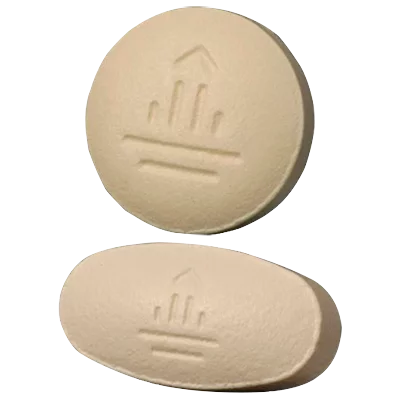
Description
Empagliflozin is an oral SGLT2 inhibitor used in adults with type 2 diabetes, heart failure, or chronic kidney disease. It suits people who need glucose control alongside proven cardiovascular and kidney benefits. The medicine increases glucose removal through urine by acting on the kidneys.
Composition
Empagliflozin tablets contain empagliflozin, a medicine from the sodium-glucose co-transporter 2 inhibitor, or SGLT2 inhibitor, class. SGLT2 is a protein in the kidneys that normally reabsorbs glucose from urine back into the bloodstream. Blocking this protein allows part of that glucose to leave the body in urine.
This mechanism differs from insulin. Empagliflozin does not force the pancreas to release more insulin, so low blood glucose is less likely when it is used alone. The risk rises when it is combined with insulin or a sulfonylurea such as gliclazide.
Dosage and usage
Empagliflozin is taken orally once daily, at the prescribed strength. It can be taken with or without food. Taking it at roughly the same time each day helps maintain a reliable routine.
Use the prescribed regimen consistently:
- Swallow the tablet whole with water.
- Take it once daily, preferably in the morning.
- Continue a diabetes meal plan, physical activity plan, and glucose monitoring schedule where these are part of care.
- Keep drinking fluids during hot weather, fever, vomiting, diarrhoea, or heavy exercise.
- If a dose is missed, take it when remembered unless the next dose is due soon. Do not take two doses together.
The effect on glucose may be measurable before a person feels any different.
HbA1c reflects average glucose exposure over about two to three months, so laboratory follow-up is more informative than judging the medicine by day-to-day feelings.
A temporary rise in urination is common early on. Persistent dizziness when standing, marked thirst, or reduced urine output may indicate dehydration and needs prompt medical assessment.
How it works
Empagliflozin inhibits SGLT2 in the kidneys, reducing glucose and sodium reabsorption. This increases the excretion of glucose and sodium in the urine, supporting blood glucose control and reducing pressure inside the kidney filters.
Indications
Empagliflozin may be prescribed for:
- Type 2 diabetes with raised HbA1c or fasting glucose.
- Heart failure, including heart failure with reduced or preserved ejection fraction.
- Chronic kidney disease, where reducing pressure inside the kidney filters can slow loss of kidney function.
- Adults with type 2 diabetes who also have cardiovascular disease or a high cardiovascular risk profile.
Comparison
Empagliflozin is one option within a broader treatment plan. The right choice depends on glucose targets, kidney function, heart failure, body weight goals, other medicines, and tolerance.
Metformin mainly targets glucose production by the liver. Empagliflozin works through the kidneys and also has evidence for heart failure and kidney protection. GLP-1 receptor agonists can produce greater average weight loss, though nausea and vomiting are more common early in treatment.
KDIGO’s 2024 chronic kidney disease guideline recommends SGLT2 inhibitors for many adults with chronic kidney disease, including people with or without diabetes in defined clinical settings [1]. Kidney function and urine albumin results help guide whether this approach is suitable.
Contraindications
Empagliflozin is not for you if you have a known allergy to empagliflozin or a tablet ingredient. It is also not used for type 1 diabetes because of the heightened risk of diabetic ketoacidosis.
Extra caution is needed with dehydration, recurrent genital infections, recurrent urinary infections, severe acute illness, and a history of ketoacidosis. Kidney function should be assessed at intervals because suitability and expected glucose-lowering effect change as kidney function declines.
Important interaction considerations include:
- Insulin and sulfonylureas: may increase the chance of hypoglycaemia; dose adjustment of the other glucose-lowering medicine may be needed.
- Diuretics: may increase dehydration, dizziness, or low blood pressure.
- Blood-pressure medicines: may add to the blood-pressure-lowering effect in people prone to light-headedness.
- Lithium: lithium concentrations may require closer monitoring because sodium handling in the kidneys can change.
- Alcohol excess or prolonged fasting: can contribute to ketoacidosis risk.
Pregnancy and breastfeeding require individual medical review because treatment goals and medicine choices may change. Acute vomiting, diarrhoea, fever, or inability to drink normally also requires a clear sick-day plan from the prescriber.
When this is not for you
This medicine may not be suitable if you have had an allergic reaction to empagliflozin or its ingredients, have type 1 diabetes, are dehydrated, or have repeated genital or urinary infections. Speak with your clinician before taking it if you have severe illness, a previous episode of ketoacidosis, are pregnant or breastfeeding, or take insulin, sulfonylureas, diuretics, blood-pressure medicines, or lithium.
Side effects
Most people tolerate empagliflozin well. Increased urination is expected from its mechanism. Thirst, mild dehydration, dizziness, and genital fungal infections can also occur. Risk varies with kidney function, age, fluid intake, and other medicines. Persistent or troublesome effects should be discussed with the prescriber rather than managed by changing the dose independently.
Genital yeast infections may cause itching, redness, soreness, unusual discharge, or discomfort during urination. Urinary tract infections can cause burning urine, urgency, lower abdominal pain, fever, or flank pain. Early treatment matters because symptoms can worsen quickly.
Some effects need urgent attention:
- Ketoacidosis: nausea, vomiting, stomach pain, deep or rapid breathing, severe fatigue, or confusion. Blood glucose may not be very high.
- Serious urinary infection: fever, chills, back pain, blood in urine, or feeling acutely unwell.
- Severe dehydration: fainting, confusion, inability to keep fluids down, or very low urine output.
- Severe genital or perineal pain, swelling, redness, or fever: urgent assessment is needed because rare serious soft-tissue infections have been reported.
- Low blood glucose: sweating, tremor, hunger, headache, or confusion, mainly when empagliflozin is combined with insulin or a sulfonylurea.
The EMA identifies genital infections, urinary infections, volume depletion, and ketoacidosis as key safety considerations for empagliflozin and other SGLT2 inhibitors [2].
Genital irritation is often mistaken for a simple urinary infection. Itching or unusual discharge points more toward a fungal infection, while fever or flank pain needs same-day medical assessment.
Before elective surgery, prolonged fasting, or a very-low-carbohydrate diet, the prescribing clinician should review empagliflozin. These situations can raise ketoacidosis risk even when glucose readings appear acceptable.
Common mistakes
The most frequent problem is treating empagliflozin as a glucose-only tablet. Heart and kidney benefits depend on steady use over time, even when home glucose readings look stable.
Other mistakes include:
- Stopping the medicine after noticing more frequent urination during the first days.
- Drinking very little during hot weather to avoid toilet visits.
- Ignoring genital itching or soreness until symptoms become severe.
- Continuing treatment during vomiting, diarrhoea, prolonged fasting, or acute illness without discussing a sick-day plan.
- Doubling the next dose after a forgotten tablet.
- Assuming normal glucose levels rule out ketoacidosis.
Keep a written list of glucose medicines, diuretics, and blood-pressure treatments. This is useful at every appointment because combinations can explain new dizziness or unexpected low glucose episodes.
What doctors say
In clinical practice, doctors often value empagliflozin because it addresses more than HbA1c. For a person with type 2 diabetes and heart failure, a treatment that also reduces heart failure hospitalisation risk can change the conversation around glucose management.
Doctors also stress that the medication’s diuretic-like effect is mild but real. A patient already taking a loop diuretic for ankle swelling may need fluid status, blood pressure, and kidney function reviewed after treatment begins. People who feel well should still attend planned blood and kidney tests.
The EMPA-KIDNEY trial, published in The New England Journal of Medicine in 2023, found that empagliflozin reduced the risk of kidney disease progression or cardiovascular death in a broad chronic kidney disease population [3]. The benefit was clinically meaningful, yet the medicine still requires attention to hydration and infection symptoms.