

Verified
My glucose readings improved gradually, and I lost a small amount of weight without trying. The first week I urinated more often, then it settled into a routine.
Sep 15, 2026


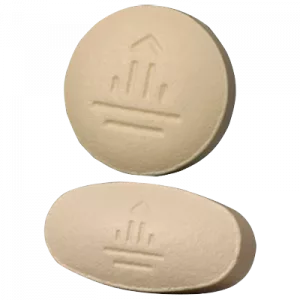
Forxiga is a dapagliflozin tablet for adults with type 2 diabetes, heart failure, or chronic kidney disease. It helps lower glucose and supports heart and kidney protection by increasing the urinary loss of glucose and sodium.
Forxiga is an oral tablet containing dapagliflozin, a sodium-glucose co-transporter 2 inhibitor used in adults with type 2 diabetes, heart failure, or chronic kidney disease. It is prescribed for people who need glucose lowering, reduced risk of heart-failure hospitalisation, or kidney protection. The medicine works through the kidneys, allowing more glucose and sodium to leave the body in urine.
Forxiga contains dapagliflozin, a medicine from the SGLT2 inhibitor class. SGLT2 is a protein in the kidney that normally reabsorbs glucose from urine back into the bloodstream. By blocking this protein, dapagliflozin increases urinary glucose excretion and produces a mild sodium-losing effect.
Forxiga may be prescribed as part of care for type 2 diabetes, symptomatic heart failure, or chronic kidney disease. Its benefits extend beyond blood sugar control because sodium and fluid changes can reduce pressure within the kidneys and ease congestion in heart failure. The EMA product information describes these therapeutic uses and the clinical precautions that accompany them. [1]
Forxiga tablets are swallowed whole with water once daily, with or without food. The prescribed strength should be taken at the same time each day. Treatment duration is usually long term because type 2 diabetes, heart failure, and chronic kidney disease require continuing risk management.
Key administration points include:
Forxiga may need to be paused temporarily during acute illness, major surgery, dehydration, or poor oral intake. These situations can increase the risk of ketoacidosis, a dangerous buildup of acids called ketones that can occur even when glucose is not very high.
Dapagliflozin inhibits the sodium-glucose co-transporter 2 in the kidneys, reducing the reabsorption of filtered glucose and sodium. This increases the urinary loss of glucose and sodium, helping lower blood glucose and supporting fluid and kidney-related effects.
Forxiga may be prescribed as part of care for type 2 diabetes, symptomatic heart failure, or chronic kidney disease.
Forxiga belongs to a group of medicines that act through the kidneys. Other glucose-lowering treatments work through different pathways, so the best option depends on kidney function, heart failure status, body weight goals, hypoglycaemia risk, and the rest of the treatment plan.
| Treatment approach | Main action | Typical clinical role |
|---|---|---|
| Dapagliflozin | Increases urinary glucose and sodium loss through SGLT2 inhibition | Type 2 diabetes, heart failure, chronic kidney disease |
| Empagliflozin | Uses the same SGLT2 pathway | Similar cardiorenal treatment strategy |
| Metformin | Reduces liver glucose production and improves insulin sensitivity | Often used early in type 2 diabetes management |
Metformin remains a widely used foundation treatment for type 2 diabetes when tolerated. Forxiga offers a different advantage: it has evidence for heart failure and chronic kidney disease outcomes beyond glucose control. A limitation is its tendency to increase genital fungal infections and urinary fluid loss.
GLP-1 receptor agonists are another useful option for many people with type 2 diabetes. They often have a stronger effect on appetite and body weight, while Forxiga is taken as a tablet and has a distinct kidney-based mechanism. The WHO diabetes guidance recognises that treatment selection should reflect cardiovascular disease, kidney disease, affordability, tolerability, and individual treatment goals. [2]
Forxiga is not for you if you have had a serious allergic reaction to dapagliflozin or one of the tablet ingredients.
Extra caution or a different treatment plan may be needed in the following situations:
Diuretics can add to the fluid-losing effect of Forxiga. Insulin and sulfonylureas may raise hypoglycaemia risk when used alongside it. Lithium levels can be affected by changes in kidney sodium handling, so people taking lithium need their monitoring plan reviewed.
Chronic kidney disease changes medication choices. In the DAPA-CKD trial, dapagliflozin reduced major kidney and cardiovascular outcomes in people with chronic kidney disease, though clinicians still assess kidney function and volume status before and during treatment. [4]
Speak with a clinician before using Forxiga if you have type 1 diabetes, current ketoacidosis, dialysis or severely reduced kidney function, repeated genital or urinary infections, dehydration, very low blood pressure, or a condition that causes substantial fluid loss. Pregnancy, breastfeeding, planned surgery, prolonged fasting, severe vomiting, diarrhoea, or acute infection also require a clear treatment decision and may mean that the medicine needs to be paused.
Most people tolerate Forxiga without severe problems. The side effects that deserve the most practical attention are related to glucose in the urine and mild fluid loss. Genital fungal infections can occur in men and women because yeast grows more easily in a glucose-rich environment. Urinary tract infections, increased urination, thirst, dizziness, and low blood pressure can also occur.
Serious reactions are uncommon, yet they need clear action. Seek urgent medical attention for symptoms of ketoacidosis, severe genital pain or swelling with fever, fainting, marked weakness, or signs of a severe allergic reaction. The FDA prescribing information also warns about volume depletion, serious urinary infections, and rare Fournier gangrene. [3]
A common misunderstanding is that Forxiga always causes low blood glucose. It does not usually do so by itself. The risk rises when insulin or sulfonylurea treatment is also used, and the clinician may adjust those medicines to prevent hypos.
Several avoidable habits can make Forxiga harder to tolerate or less useful.
One small but useful detail: a home urine glucose test is not a good way to judge whether Forxiga is working. Blood glucose measurements, HbA1c results, kidney tests, blood pressure, weight trends, and heart-failure symptoms provide more meaningful information.
In clinical practice, doctors often value Forxiga because one tablet can address several linked risks: high glucose, heart failure admissions, and progressive kidney disease. The decision is not based on an HbA1c result alone. Kidney function, blood pressure, current diuretics, infection history, and the risk of dehydration all shape the plan.
Doctors also stress that the medicine does not replace other treatments. A person with heart failure may still need medicines that reduce cardiac workload, while someone with diabetes may need nutritional support, glucose monitoring, and additional glucose-lowering therapy. The strongest results come from regular use and sensible monitoring rather than changing the regimen whenever urine glucose appears.
For UAE patients, treatment plans are usually coordinated within clinician-led care under the medicines framework overseen by MOHAP. The key clinical message is straightforward: report illness, reduced food intake, vomiting, or symptoms suggestive of infection early.
Forxiga tablets can be taken with or without food. A regular daily time is more useful than matching the tablet to a specific meal. The EMA product information published in 2024 supports once-daily oral administration across its approved adult indications. Taking it in the morning may be practical if increased urination occurs.
Some people lose weight because dapagliflozin causes glucose calories to be excreted in urine. The amount varies and should not be treated as a guaranteed result. The WHO described obesity and type 2 diabetes as closely linked health concerns in its 2024 diabetes information, yet Forxiga is selected primarily for its glucose, heart, and kidney benefits. Reduced appetite is not its main mechanism.
Forxiga alone has a low likelihood of causing hypoglycaemia because it does not force the pancreas to release insulin. Risk increases when it is used with insulin or sulfonylureas. The FDA prescribing information from 2023 advises clinicians to consider reducing doses of those medicines when clinically appropriate. Sweating, shaking, confusion, or sudden hunger should be treated as possible low-glucose symptoms.
SGLT2 inhibition can alter insulin and glucagon balance, increasing ketone production during fasting, illness, dehydration, surgery, or very low carbohydrate intake. Blood glucose may be only mildly elevated, which can delay recognition. The EMA safety information issued for dapagliflozin in 2024 highlights nausea, vomiting, abdominal pain, excessive thirst, breathing difficulty, confusion, and unusual fatigue as warning symptoms. These symptoms need urgent assessment.
Yes, dapagliflozin has clinical evidence in heart failure that is not limited to people with diabetes. The 2019 DAPA-HF study published in The New England Journal of Medicine included participants with and without diabetes and showed fewer worsening heart-failure events or cardiovascular deaths. A heart specialist determines whether the person’s ejection fraction, kidney function, blood pressure, and other medicines fit this approach.
Vomiting and diarrhoea can cause dehydration, lower blood pressure, and increase ketoacidosis risk. The FDA advised in its 2023 prescribing information that temporary interruption may be appropriate during situations predisposing to ketoacidosis. Contact the treating clinician promptly for an individual sick-day plan, especially if food and fluids cannot be maintained. Do not restart after a serious illness until the clinical plan is clear.
Your order will be securely packed and shipped within 24 hours. This is exactly what your package will look like (images of an actual item sent). It has the size and look of a regular private letter (9.4x4.3x0.3 in. or 24x11x0.7 cm) and its contents cannot be seen.
My glucose readings improved gradually, and I lost a small amount of weight without trying. The first week I urinated more often, then it settled into a routine.
I noticed less ankle swelling and could walk farther without stopping. I kept a water bottle with me because I felt light-headed once after spending time outside in the heat.
The tablet was easy to fit into breakfast. I developed itching after the second month and needed treatment for a fungal infection, which was frustrating, but I continued after it cleared.
My clinician explained that kidney blood tests mattered more than how I felt day to day. I had no major side effects, although I became more careful about fluids when I had a stomach virus.