Verified
I took it for a chest infection after an assessment. My fever eased by the second day, but I had loose stools for two days. Taking the tablet after breakfast helped.
Sep 10, 2026

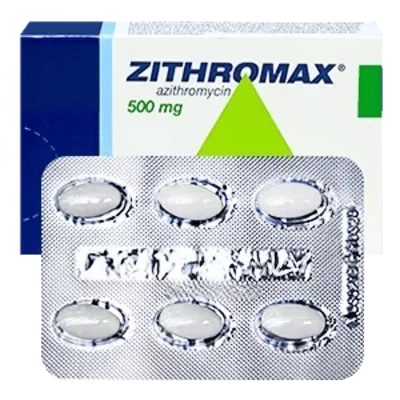
Zithromax is an azithromycin macrolide antibiotic for susceptible bacterial infections. Its indication-based use supports treatment of certain bacterial infections and helps avoid inappropriate use for viral illnesses.
Zithromax is a macrolide antibiotic containing azithromycin tablets. It is prescribed for adults with susceptible bacterial infections, including selected respiratory, skin, and sexually transmitted infections.
Zithromax contains azithromycin, a macrolide antibiotic. The exact strength and formulation details are stated on the pack; follow the leaflet.
The tablet is swallowed whole with water. It may be taken with or without food, although taking it after a light meal can reduce nausea for some people.
The dose is stated on the pack — follow the leaflet. Other infections use a different schedule or duration, so the prescribed regimen takes priority.
A short course does not mean a casual course. Missing doses can reduce treatment success and may encourage resistant bacteria to persist.
Macrolides bind to the bacterial 50S ribosomal subunit, blocking protein synthesis. Human cells use different ribosomes, which is why the drug targets bacteria rather than human tissue.
Zithromax may be prescribed for susceptible bacterial infections such as community-acquired respiratory infections, bacterial sinusitis, certain skin and soft-tissue infections, and uncomplicated genital infection caused by Chlamydia trachomatis. Its use depends on the likely bacteria, local resistance patterns, allergy history, and the site of infection. It does not treat colds, influenza, or other viral illnesses. WHO classifies azithromycin as a Watch antibiotic, meaning careful, indication-based use is needed to limit antimicrobial resistance [1].
Zithromax is the product name, while azithromycin is the active pharmaceutical ingredient. Products containing azithromycin are assessed by the same core pharmacology: antibacterial activity, once-daily dosing in many regimens, gastrointestinal effects, liver warnings, and QT-related precautions.
| Feature | Zithromax | Azithromycin-containing medicines |
|---|---|---|
| Active substance | Azithromycin 500 mg | Azithromycin |
| Drug class | Macrolide antibiotic | Macrolide antibiotic |
| Clinical role | Treatment of susceptible bacterial infections | Treatment of susceptible bacterial infections |
Inactive ingredients and tablet appearance can differ between products. The active substance is what drives the antibacterial effect, while individual tolerability can also be influenced by non-active ingredients.
EMA antimicrobial stewardship materials stress that antibiotics should be used only when bacterial infection is suspected or confirmed and when the expected benefit outweighs resistance pressure [3].
Zithromax is not for you if you have had an allergic reaction to azithromycin, erythromycin, another macrolide antibiotic, a ketolide antibiotic, or any ingredient in the tablet.
It is also not for you if previous azithromycin use caused cholestatic jaundice or significant hepatic dysfunction. Cholestatic jaundice occurs when bile flow from the liver is impaired, leading to yellow skin or eyes, dark urine, and pale stools.
People with significant liver impairment, known QT prolongation, past torsades de pointes, clinically relevant slow heart rate, or uncorrected low potassium or magnesium need tailored medical review before azithromycin is used. Myasthenia gravis may worsen during treatment.
Before starting Zithromax, the prescriber needs a full medication and health history. Liver disease, kidney disease, a history of irregular heartbeat, low potassium, low magnesium, and myasthenia gravis can all change the risk-benefit decision.
Pregnancy and breastfeeding also need individual assessment. Azithromycin crosses the placenta and enters breast milk in small amounts; the indication, available alternatives, and expected benefit guide prescribing decisions. MOHAP promotes responsible antimicrobial use in the UAE, where antibiotic selection should reflect clinical assessment rather than self-treatment.
Most people tolerate azithromycin without serious problems. The most frequently reported effects are diarrhoea, nausea, abdominal discomfort, vomiting, headache, and changes in taste. These effects are usually mild and often settle after the course ends.
Loose stools can occur because antibiotics alter normal intestinal bacteria. Drink fluids if diarrhoea is mild. Persistent watery diarrhoea, blood or mucus in stools, abdominal cramping, or fever during treatment or in the weeks after it requires prompt medical assessment because antibiotic-associated colitis can occur.
Serious reactions are uncommon but need urgent attention:
Azithromycin can prolong the QT interval, an electrical recovery phase in the heart. In people with existing QT prolongation, low potassium or magnesium, slow heart rate, or interacting medicines, this can trigger a dangerous rhythm disturbance. The FDA prescribing information also records rare severe skin reactions and liver injury [2].
Azithromycin has fewer enzyme-based interactions than several other macrolide antibiotics, yet clinically meaningful interactions still occur. Medicines that affect cardiac rhythm deserve special attention because combining QT-prolonging agents raises the risk of arrhythmia.
| Interacting medicine group | Why it matters | Practical action |
|---|---|---|
| Aluminium or magnesium antacids | May reduce azithromycin absorption | Separate by at least two hours |
| QT-prolonging medicines, including some antiarrhythmics and antipsychotics | May increase risk of dangerous heart rhythms | Prescriber review is needed |
| Warfarin and related anticoagulants | Anticoagulant effect may change | INR monitoring may be needed |
Digoxin, ciclosporin, colchicine, statins, and anticoagulants also need review when combined with macrolide antibiotics. Tell the prescriber about prescription medicines, over-the-counter products, vitamins, and herbal preparations before treatment begins.
NICE antimicrobial guidance supports targeted antibiotic choice, with reassessment when symptoms worsen or fail to improve as expected [4].
People often stop Zithromax after one or two doses because fever or throat pain has improved. Symptoms can improve before the bacterial infection has been fully treated.
Another common mistake is using leftover antibiotics for a later illness. A similar cough may have a different cause, and an unsuitable antibiotic can delay correct care. Sharing tablets is also unsafe because dose selection is based on the infection, body factors, other medicines, and allergy history.
Antacids are easy to overlook. Magnesium- and aluminium-containing indigestion products can reduce azithromycin absorption when taken too close together.
In clinical practice, doctors often choose azithromycin when a macrolide is suitable and a short oral course is appropriate. Its long tissue half-life allows once-daily dosing, which can improve adherence compared with antibiotics taken several times per day.
The trade-off is resistance. Azithromycin is not a default answer for every chest infection, sore throat, or fever. A doctor may prefer a different antibiotic, request a culture, or decide that no antibiotic is needed when symptoms fit a viral illness.
One detail clinicians often flag is delayed antibiotic-associated diarrhoea. Severe diarrhoea can begin after the final tablet, not only during the course.
No. Zithromax treats infections caused by susceptible bacteria, while colds and influenza are caused by viruses. WHO guidance published in 2023 identifies inappropriate antibiotic use for viral respiratory illness as a driver of antimicrobial resistance. If breathing becomes difficult, fever persists, or symptoms sharply worsen, medical assessment can identify complications such as bacterial pneumonia. [5]
Azithromycin begins reaching active levels after the first dose, yet symptom improvement is not immediate. For a susceptible bacterial infection, fever or pain may begin to improve within a few days, depending on the infection site and severity. Lack of improvement or worsening symptoms needs reassessment because the bacteria may not be susceptible, or the illness may have another cause. FDA prescribing information reviewed in 2021 advises use only for proven or strongly suspected bacterial infection.
Yes, Zithromax 500 mg tablets can be taken with or without food. A light meal may help if nausea or stomach discomfort occurs. Antacids containing aluminium or magnesium should be separated by at least two hours because they can interfere with azithromycin absorption. This spacing advice appears in the FDA-approved prescribing information from 2021.
Alcohol does not create a classic direct interaction with azithromycin, yet it can worsen nausea, dizziness, dehydration, and stomach upset. Avoiding alcohol is sensible if you have fever, vomiting, diarrhoea, or liver disease. The EMA’s 2022 antimicrobial stewardship information supports treatment choices that minimise avoidable strain during an infection, including completing the prescribed regimen.
Yes, although this is uncommon. Azithromycin can lengthen the QT interval and may increase arrhythmia risk in people with existing heart-rhythm disorders, low potassium or magnesium, or medicines that also prolong QT. Palpitations, fainting, chest discomfort, or sudden severe dizziness need urgent assessment. FDA safety information on azithromycin has addressed this cardiac risk since 2013.
Mild loose stools can happen during treatment because antibiotics alter intestinal bacteria. Severe, persistent, watery, or bloody diarrhoea is not something to ignore, especially if accompanied by fever or abdominal pain. Symptoms may appear after the course has ended. NHS antibiotic safety guidance updated in 2022 advises prompt assessment for possible antibiotic-associated colitis in this situation.
Your order will be securely packed and shipped within 24 hours. This is exactly what your package will look like (images of an actual item sent). It has the size and look of a regular private letter (9.4x4.3x0.3 in. or 24x11x0.7 cm) and its contents cannot be seen.

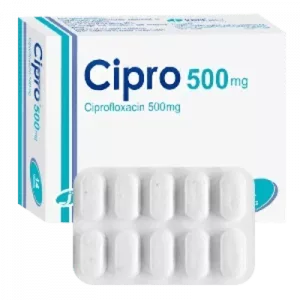
Keep Zithromax tablets in a dry place at room temperature and away from direct heat, humidity, and children. Bathrooms and car glove compartments are poor storage locations because moisture and temperature changes can damage tablets.
Unused tablets should be returned through an approved medicine-disposal route where available. Do not flush tablets down a toilet or throw them loose into household waste, as medicines can reach water systems or be accidentally consumed.
I took it for a chest infection after an assessment. My fever eased by the second day, but I had loose stools for two days. Taking the tablet after breakfast helped.
The once-daily schedule was easy to follow. I felt nauseated after the first tablet when I had not eaten much, then had no issue after taking it with food.
My throat pain improved quickly, so I nearly stopped early. I completed the prescribed course. The main downside was a bitter taste and mild stomach cramps.
I developed a spreading itchy rash after the second tablet and sought medical advice. The treatment was changed because of the reaction.